
787 974 136

Feed manufacturers and distributors are well acquainted with the GMP+ standard. However, there is one category of company within the feed supply chain that often fails to realise that the GMP+ certificate also applies to them: transport and logistics companies handling the carriage of feed materials. Meanwhile, the lack of GMP+ certification in the area of feed transport and storage increasingly means losing contracts with certified manufacturers – as they are required to work exclusively with certified subcontractors.
A company holding GMP+ certification in the area of feed production or distribution is obliged to supervise its subcontractors – including transport companies, warehouses and logistics operators to whom it outsources services relating to the handling of feed materials. If a subcontractor does not hold GMP+ certification, the manufacturer must audit them itself or demonstrate that they meet the standard’s requirements in some other way.
In practice, this means that certified feed manufacturers have a strong incentive to choose certified transport companies and logistics operators – as this eliminates the need to carry out their own audits of subcontractors and simplifies the documentation required by GMP+. For a certified feed manufacturer, a transport company without GMP+ certification is a source of extra work and risk – rather than a partner they would choose to work with.
This means that logistics companies without GMP+ certification are gradually being pushed out of the feed supply chain by their certified competitors – not because they provide inferior services, but because their clients cannot easily qualify them.
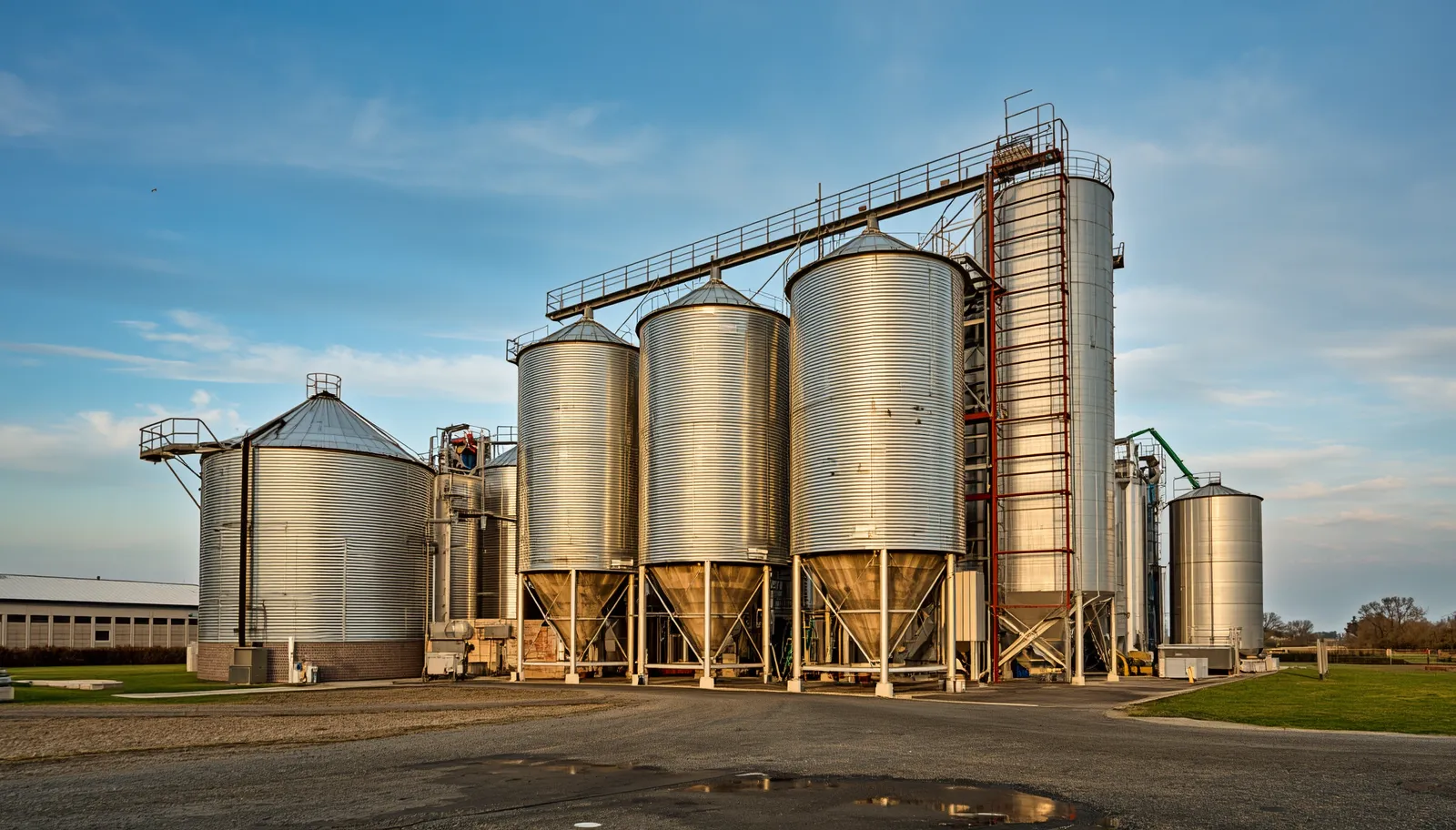
The GMP+ standard sets out requirements for companies providing transport and storage services for feed materials and animal feed. For a logistics company, GMP+ certification in transport and storage confirms that:
The GMP+ certificate for transport is verifiable in the public GMP+ International database – meaning that a potential client can check your certificate in a matter of seconds, without having to request documents or wait for a reply.
Logistics companies with GMP+ certification have access to a category of clients that is virtually out of reach for non-certified carriers:
Dutch and German feed manufacturers – markets where the GMP+ standard is de facto mandatory, and the certification of subcontractors is a standard qualification procedure. Polish transport companies with GMP+ certification are the natural choice for these entities when organising transport to and from Poland.
Large Polish feed mills and mixing plants – certified domestic feed manufacturers who, when selecting hauliers, prefer or require GMP+ certification, as this simplifies their own supplier qualification system.
Ports and transhipment terminals handling the import and export of feed materials – GMP+ certification is often required in tenders for the logistics handling of feed cargo.
Feed ingredient manufacturers – companies producing premixes, feed proteins, cereals and other feed materials, which must ensure that the entire supply chain – including transport – meets GMP+ requirements.
For a transport or logistics company, implementing GMP+ for transport and storage is a much simpler process than full certification for a feed manufacturer. The system is built around processes that the company already carries out – transport, warehousing, transport documentation – and requires these to be documented, structured and audited.
With the support of an experienced consultant, the entire process – from the first meeting to certification – can be completed within a few weeks. It is an investment that pays for itself through access to new customers as soon as the first new contract is secured thanks to the certificate. Every month without GMP+ certification is a month in which your company cannot take part in a tender or qualification process with a client who requires it. The market won’t wait.


DJB DORADZTWO
Marcin Chorąży


