
787 974 136
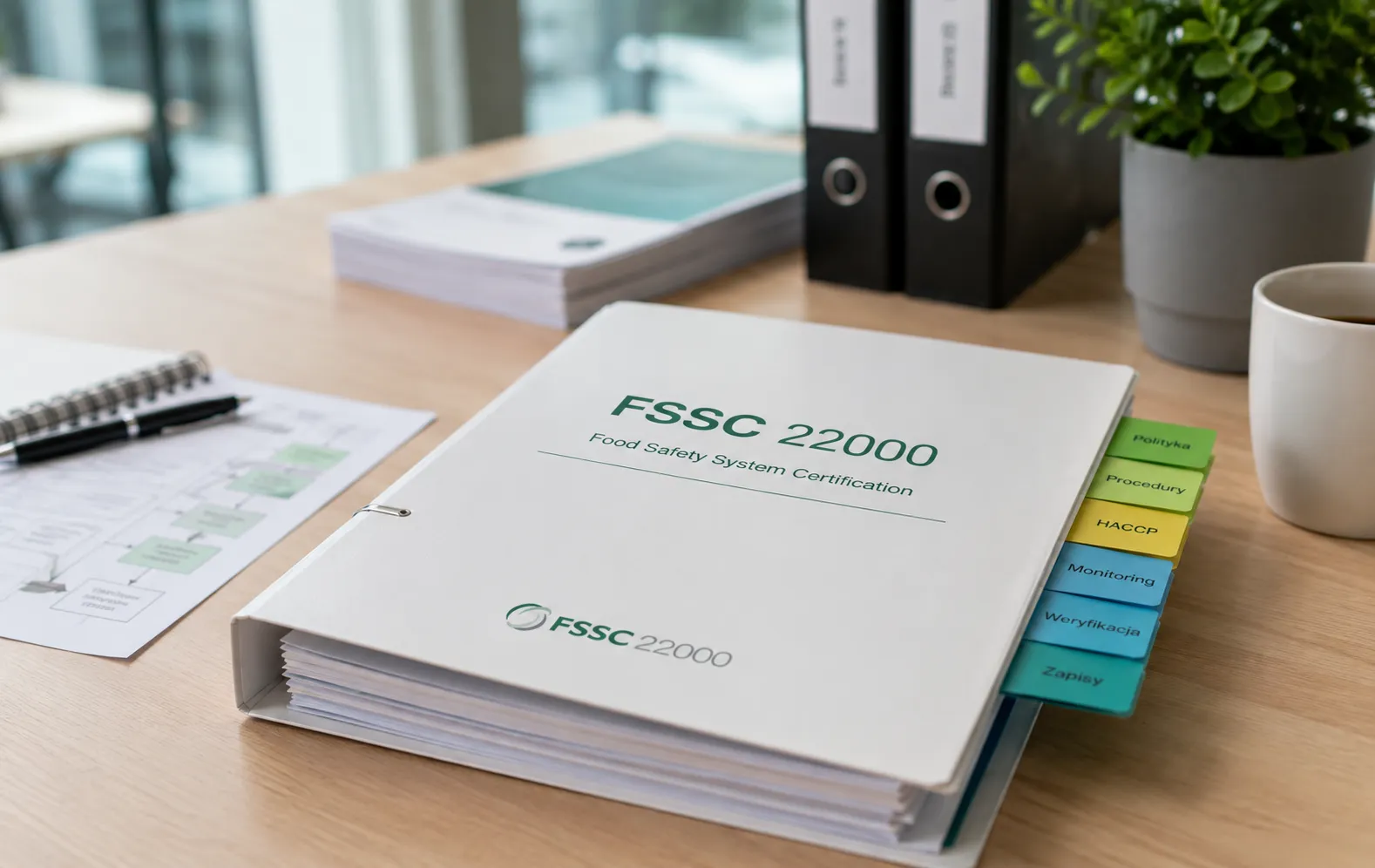
May 2026 brought a significant change to the food industry: the FSSC Foundation published version 7 of the FSSC 22000 standard. For organisations certified to the previous version, this means one thing – it is time to review their system. Not because the existing certificate expires overnight, but because auditors are already verifying, during surveillance audits, whether organisations are ready to transition to the new requirements. Organisations that are unaware of what has changed may be in for an unpleasant surprise.
FSSC 22000 v7 is not a structural revolution – the foundation of the standard remains the same. However, the changes have a real impact on the day-to-day operation of the food safety management system and affect the areas that auditors scrutinise most closely.
Food safety culture – higher requirements and a duty to measure. In v6, food safety culture appeared as an additional requirement of the scheme. In v7, the expectations are more specific: an organisation must not only declare that it promotes a food safety culture, but also demonstrate that it measures it and that the results of these measurements translate into action. Establishments which, until now, have had general provisions on food safety culture without any indicators must change this.
Allergen management – extended validation requirements. Version 7 specifies the requirements for the validation of cleaning procedures for production lines following the manufacture of product ranges containing allergens. It is no longer sufficient to simply describe the cleaning procedure and schedule – documented confirmation of the effectiveness of these procedures is required. For facilities operating multi-product production lines, this is one of the areas requiring immediate attention.
Food fraud – updating the vulnerability assessment. Version 7 strengthens the requirements for assessing the vulnerability of raw materials to fraud. The assessment must be up to date and reflect changes in the supply chain – a document from two years ago is no longer sufficient, even if it was prepared thoroughly. Any change of supplier or raw material should trigger a review of the assessment.
Supplier oversight – more rigorous verification. Version 7 clarifies the expectations regarding the qualification and monitoring of suppliers of critical raw materials. Facilities that have so far relied mainly on suppliers’ certificates without conducting their own verification must expand their assessment system.
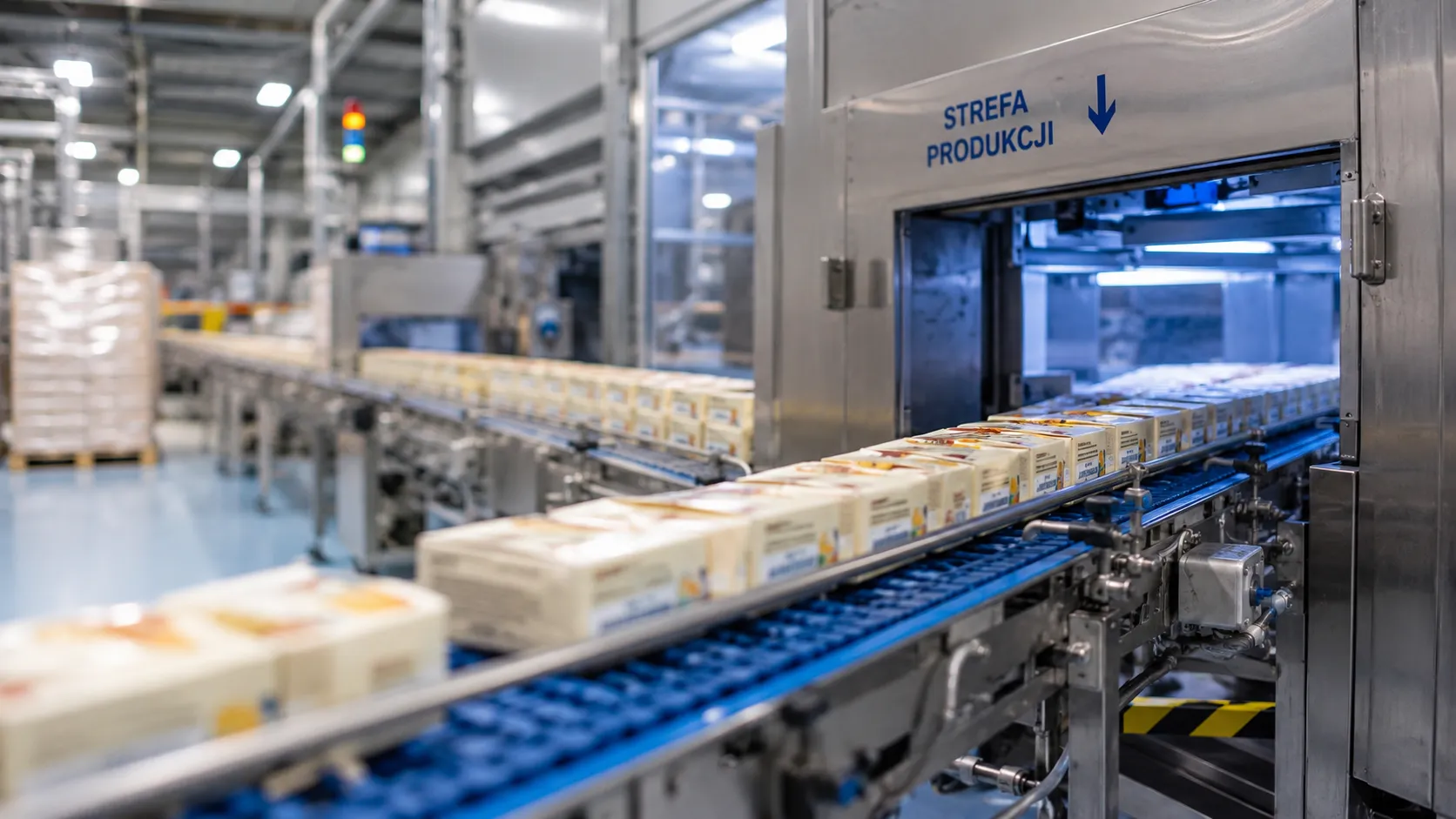
Not every FSSC 22000-certified facility will enter v7 with the same level of readiness. Based on typical gaps identified during audits, three categories of facilities that are particularly at risk can be identified.
Facilities that have implemented a system ‘for the sake of certification’ and have not actively developed it. The system formally exists, the documentation is complete, and external audits are passed – but between audits, the system takes on a life of its own, detached from day-to-day production. Version 7 emphasises evidence of the system’s actual functioning, not merely its existence. It is precisely this type of facility that will face the greatest challenges.
Facilities producing a wide range of products on shared production lines. The new requirements for the validation of allergen procedures pose a particular challenge for them. Validation for every combination of preceding and subsequent products on the line is a significant undertaking that cannot be completed in the week leading up to an audit.
Facilities with a rapidly changing supply chain. If, over the last 12 months, you have changed suppliers of key raw materials without updating your food fraud assessment or supplier qualifications, you have a gap that a v7 auditor is highly likely to identify.
Preparing for the transition to FSSC 22000 v7 does not necessarily mean overhauling the entire system. With a well-functioning v6 system, it is more a matter of updating and supplementing selected elements than building from scratch. It is crucial to identify any gaps before the auditor does.
The first step is to analyse gaps against the v7 requirements – reviewing each additional requirement of the scheme in the new version and comparing it with the current state of the system. This exercise should be carried out by someone familiar with both the standard’s requirements and the actual functioning of the system at the site – not solely on the basis of documentation.
The second step is to update the documentation in areas where the v7 requirements are more detailed than those of v6 – particularly regarding food safety culture, allergen validation and vulnerability assessment for food fraud.
The third step is to verify evidence of implementation – checking whether changes to the documentation are reflected in actual operations and production records. A v7 auditor will ask not only ‘do you have a procedure?’ but ‘what evidence is there that it is being applied?’.
→ Establishments that prepare for v7 before the surveillance audit will transition to the new requirements smoothly and without surprises. Those that wait may discover gaps at a time when there is no longer time to address them calmly.



DJB DORADZTWO
Marcin Chorąży


