
787 974 136
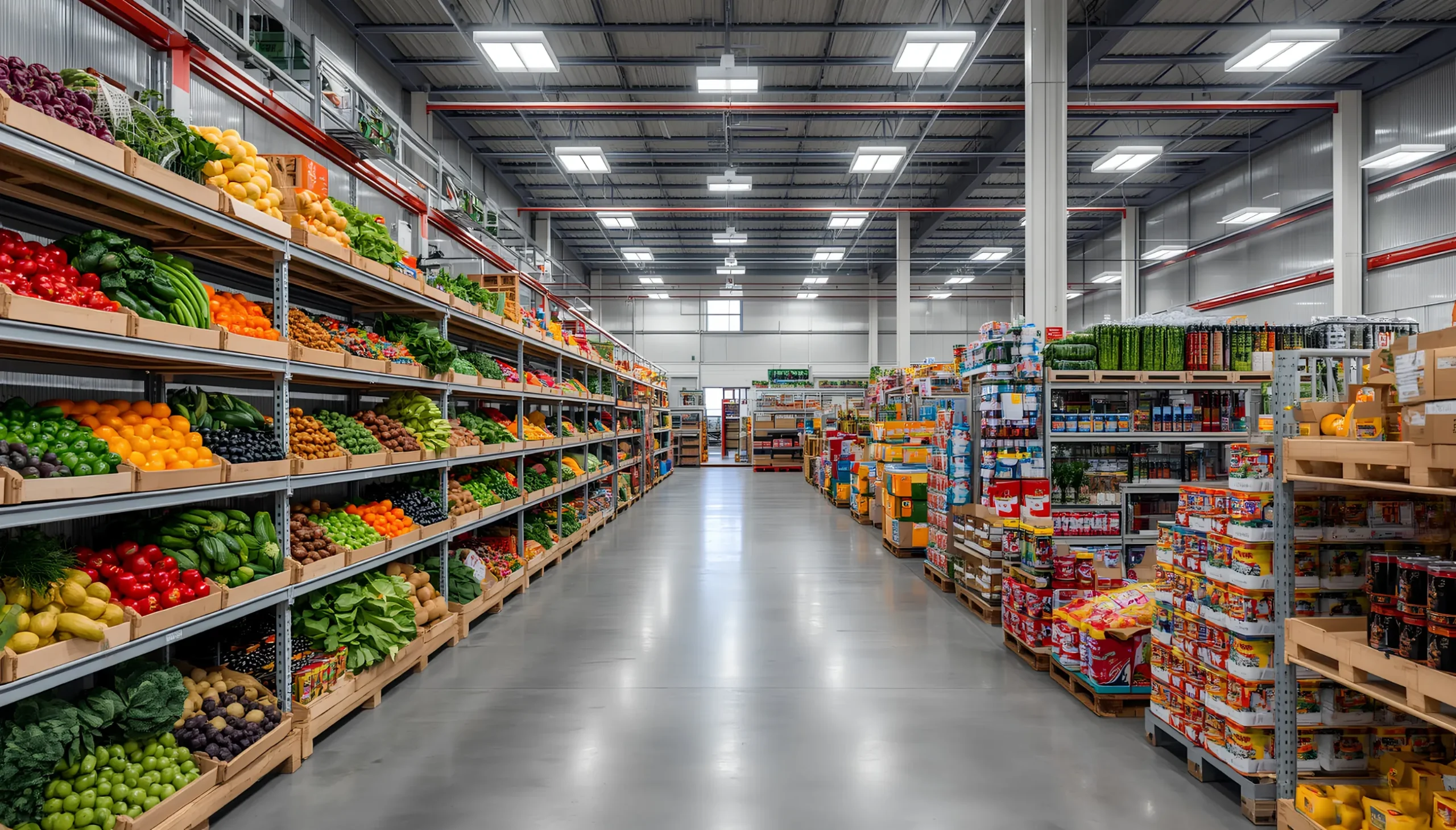
A food manufacturer with BRCGS Food Safety certification can be confident that their facility meets the highest safety standards. But what happens to the product once it leaves the facility – whilst it is in cold storage, being transported by lorry, or waiting to be loaded at the loading bay? It was precisely this gap in the supply chain that prompted the creation of the BRCGS Storage & Distribution standard – a standard that covers all logistics activities that may affect the safety, quality and legality of the product.
The BRCGS Storage & Distribution standard covers the entire supply chain – from transport, warehousing, wholesale, e-commerce and cross-docking, right back to the farm or processing plant, through the retailer’s distribution centre or online shop, and all the way to the end consumer. Certification involves an assessment of the company’s premises, operating systems and procedures against the standard’s requirements.
BRCGS Storage & Distribution sets out requirements for the storage, distribution and wholesale of packaged and bulk food products, packaging materials and consumer goods, as well as for contracted services relating to these items. This means that the standard applies not only to companies handling food, but also to operators storing and distributing cosmetics, household chemicals and packaging materials.
The standard can be extended with additional modules covering wholesale activities and contract services – which is particularly important for logistics operators providing a range of services to different categories of customers. Certification confirms the organisation’s commitment to meeting the safety, quality and operational criteria necessary to fulfil its obligations regarding legal compliance and consumer protection.
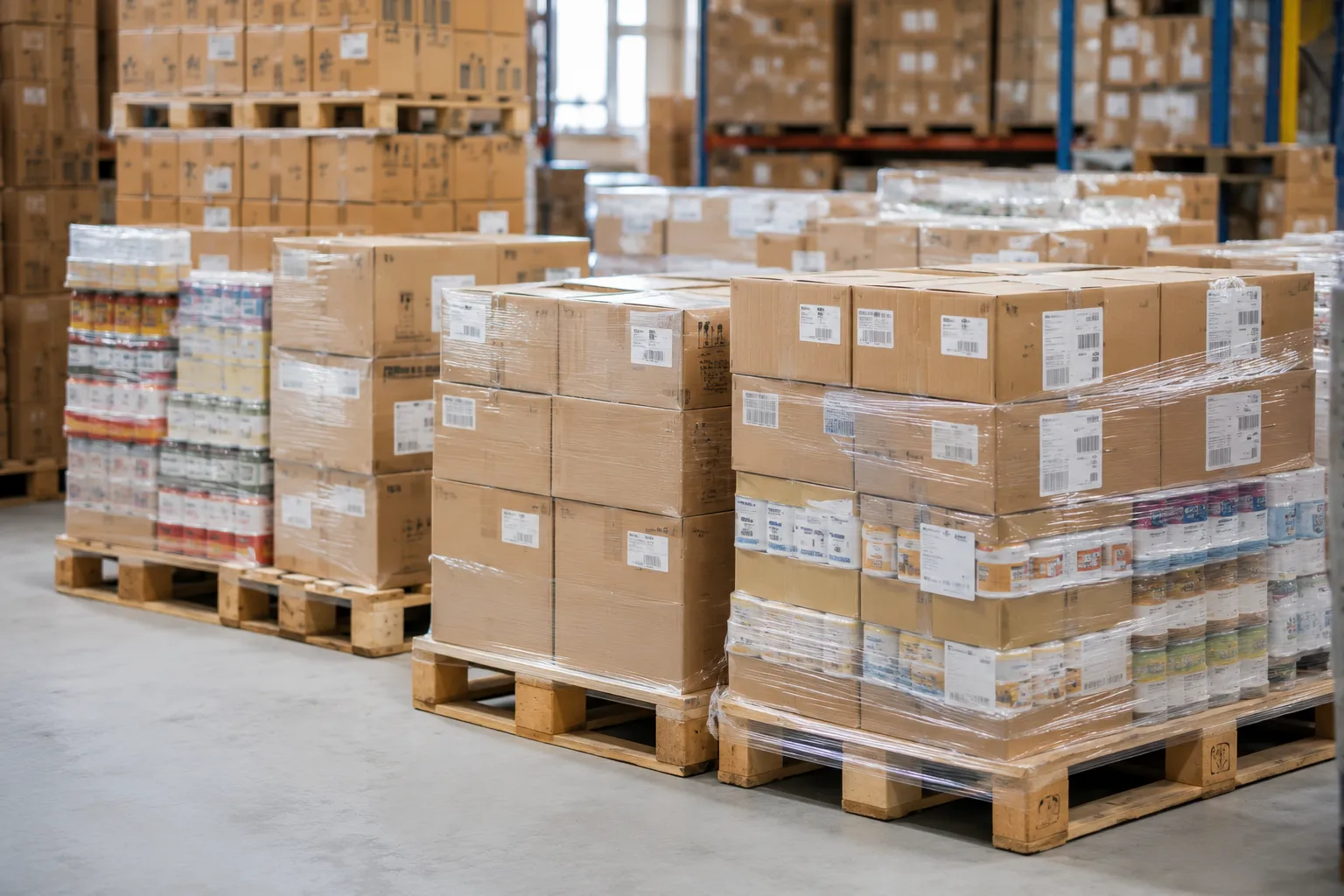
During the audit, all areas of logistics operations that may affect product safety and quality are checked. Key areas of requirements include:
Logistics companies operating within the European food supply chain are often faced with a choice between BRCGS Storage & Distribution and IFS Logistics. Both standards have a similar scope and are recognised by retail chains, but their geographical scope of recognition differs, as is the case with BRCGS Food Safety and IFS Food.
BRCGS S&D is preferred by retail chains in Anglo-Saxon markets – in the UK, Ireland, the US and Australia – as well as by global logistics operators serving these markets. IFS Logistics dominates in continental European markets – particularly in Germany, France and the Benelux countries. For operators serving customers in both markets simultaneously, dual certification is the optimal solution – the documentation structures of both standards are similar, and audits can be conducted jointly, which reduces costs and preparation time.


DJB DORADZTWO
Marcin Chorąży


