
787 974 136
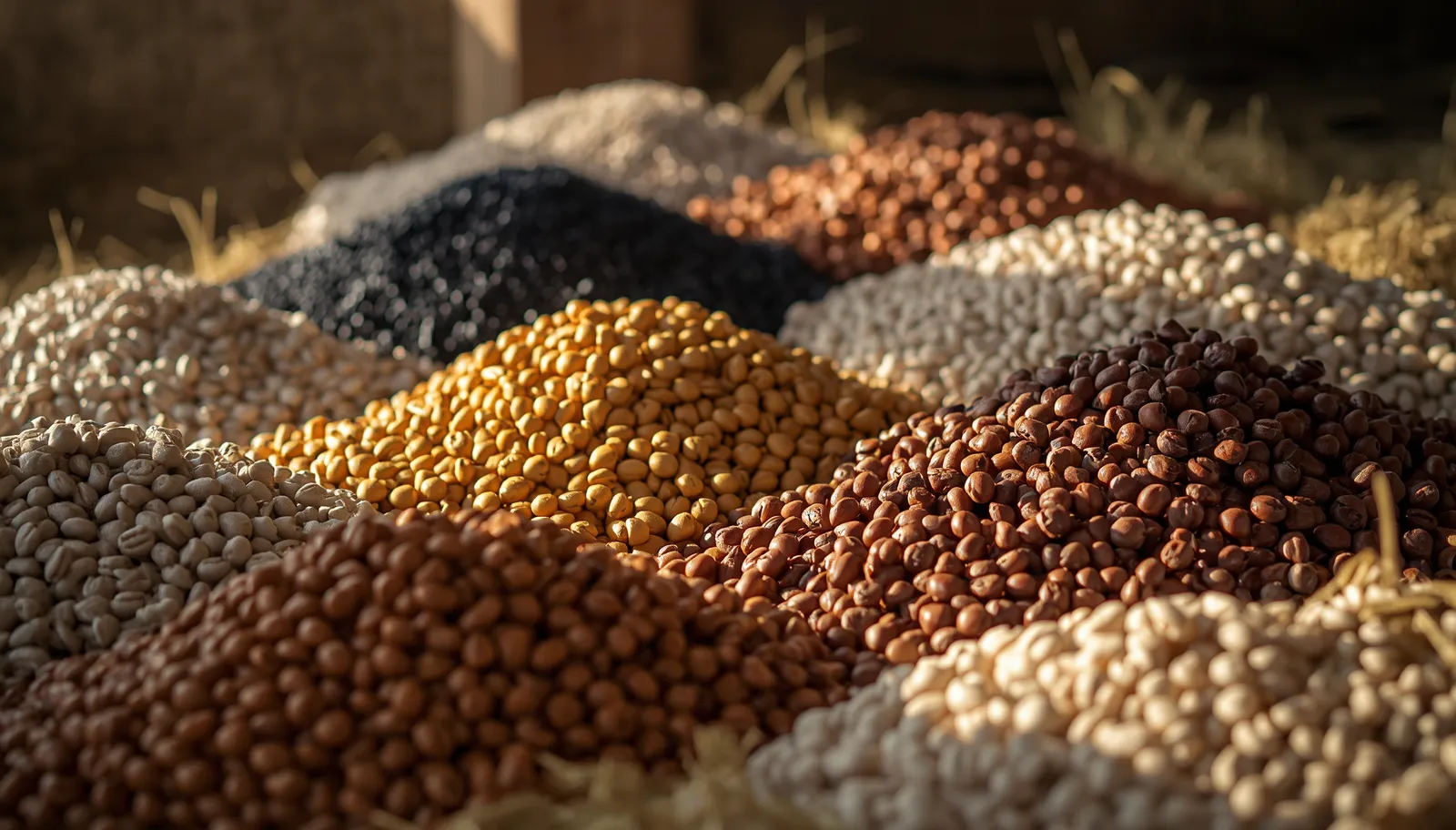
Poland is one of Europe’s leading feed producers. We have modern facilities, competitive prices and growing production capacity. And yet, many Polish companies encounter the same problem the moment they start talking to customers from the Netherlands, Germany or Denmark: the conversation breaks down at the point of being asked about GMP+ certification. Not about price. Not about the product’s composition. About certification.
The Netherlands is the birthplace of the GMP+ standard — the system was established there in the 1990s as the feed industry’s response to food safety crises and has since become the de facto standard throughout the feed supply chain in the Benelux countries, Germany and Scandinavia. In these countries, GMP+ is neither a distinguishing feature nor an advantage — it is a minimum requirement for cooperation.
Local customers — feed manufacturers, industrial farms, integrators — operate in an environment where responsibility for supply chain safety is held to very specific account. Every supplier of raw materials or ready-made feed mixes must be certified. Full stop. A company without GMP+ is not included in the database of approved suppliers, does not receive requests for quotations and does not participate in tenders — regardless of the quality of its product and its price competitiveness.
The GMP+ International standard covers the entire supply chain — from raw material production, through feed manufacturing, to transport and distribution. Its strength lies in the fact that it is a system of mutually recognised certificates: a GMP+ certified company in Poland is accepted by a customer in Germany without the need to conduct their own supplier audit.
For Western European companies, this offers a huge operational convenience. Instead of auditing dozens of suppliers from different countries according to their own criteria, they can rely on independent verification carried out by an accredited certification body. That is why GMP+ has become a standard that eliminates the need for individual inspections — and why customers in these markets do not negotiate its presence. They require it as a condition of entry.
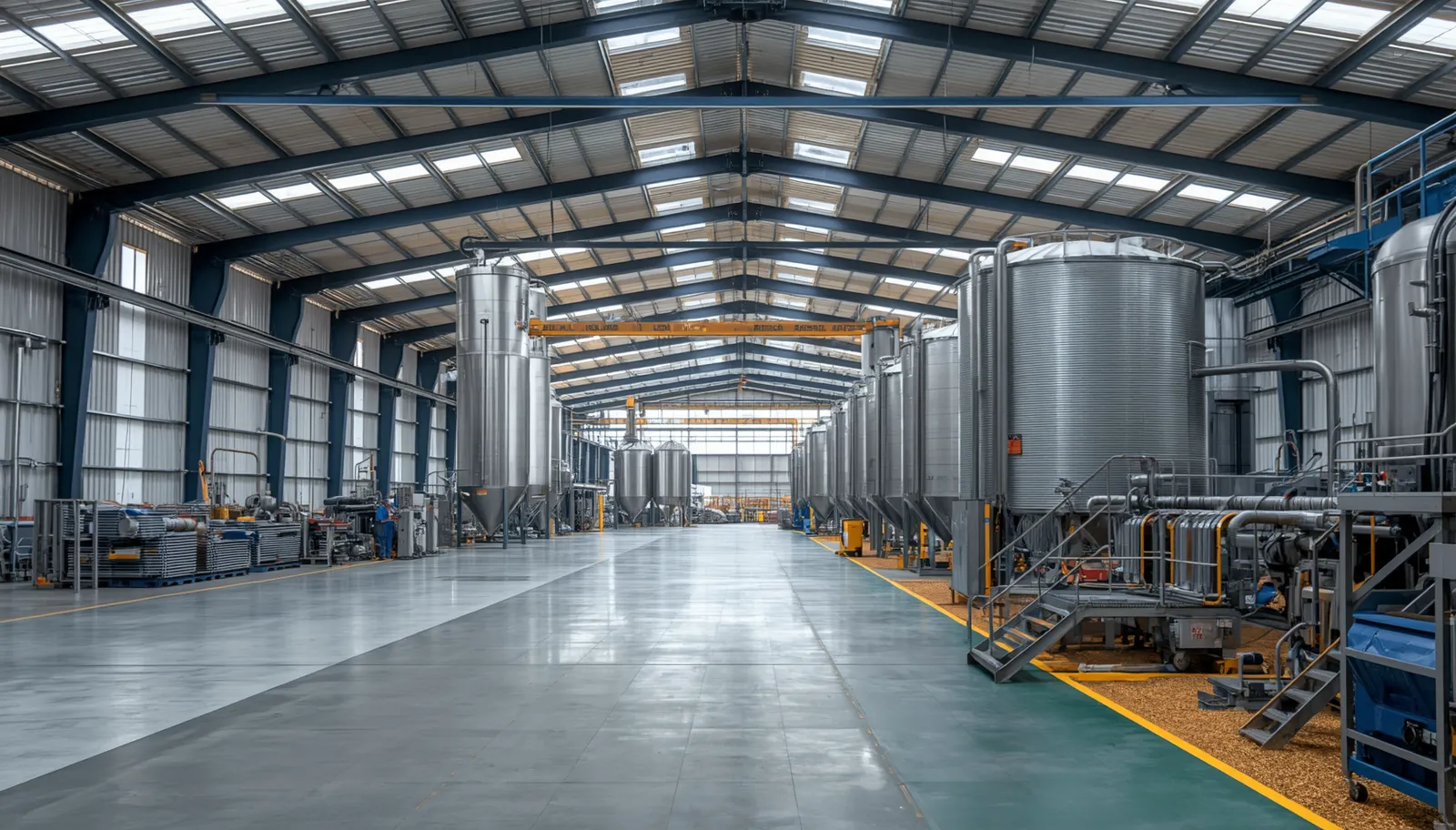
Polish companies attempting to enter the Dutch, German or Scandinavian markets without GMP+ certification face one of two scenarios. In the first, business talks break down quickly — the question of certification arises at an early stage and, without a positive response, there is no point in continuing. In the second scenario, the company enters into a partnership with a smaller or less demanding customer, but quickly discovers that without GMP+, its ability to scale this partnership is limited.
The largest and most stable companies in these markets — those offering long-term contracts and predictable volumes — simply do not engage with uncertified suppliers. This is not a matter of reluctance or prejudice towards Polish companies. It is a systemic requirement that applies to every supplier, regardless of their country of origin.
For many feed manufacturers, this is the point at which the question is no longer ‘whether’, but ‘how quickly’ to prepare the company to meet GMP+ requirements and begin the certification process.
Companies that have undergone GMP+ certification with a view to expanding abroad describe a similar experience: the first conversation with a new Western business partner after obtaining the certificate proceeds quite differently from previous ones. The question about the certificate is asked, the answer is given, and the conversation moves on to the substance — the product, price and logistics.
This is a change that cannot be overestimated. GMP+ does not secure the contract on its own — but it removes the barrier that for years blocked entry into the conversation. And for a Polish feed manufacturer who has a competitive product and wants to expand sales abroad, it is precisely this barrier that is the most important to overcome. Companies that have obtained GMP+ certification often emphasise that the initial benefits are visible very quickly – as early as the stage of discussions with new clients and supplier qualification processes.


DJB DORADZTWO
Marcin Chorąży


