
787 974 136
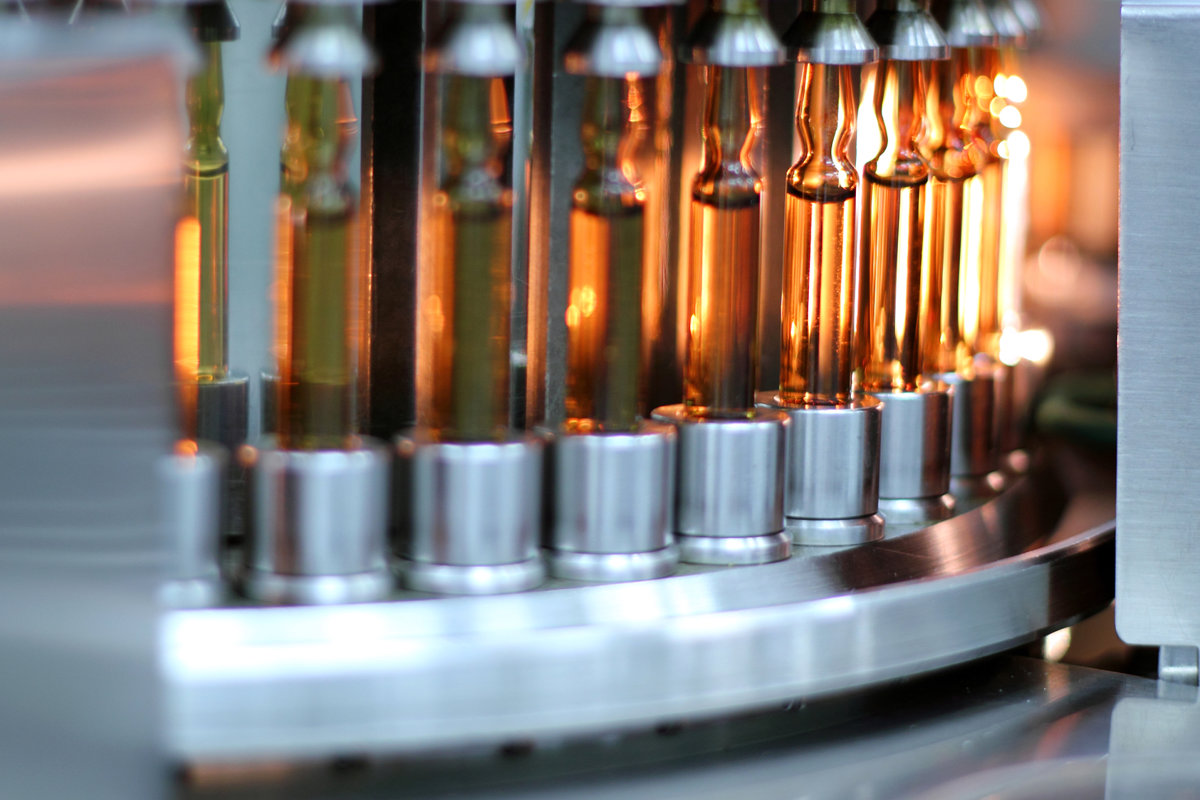
Good Manufacturing Practice is a standard familiar to every business owner in the food, pharmaceutical, and cosmetics industries—sectors where the final products must be completely safe for consumers’ health. If, for example, you plan to start producing dietary supplements or are just opening a café, implementing Good Manufacturing Practice is your obligation under EU directives and Polish law. Learn what GMP is and how it will help you build a positive brand image and attract many satisfied customers.
Good Manufacturing Practice (GMP) is a set of principles that ensure the proper conduct of the manufacturing process, resulting in a product that meets strictly defined requirements. It encompasses a range of manufacturing and control procedures that enable the achievement of:
The application of GMP principles prevents situations that could result in physical, chemical, or microbiological contamination of raw materials, intermediates, and finished products.
The above-mentioned objectives can be achieved through strict supervision of the entire production process—from the sourcing of raw materials to the delivery of finished products to consumers—and by eliminating any random activities from it. Good Manufacturing Practice means acting in accordance with the requirements set forth in a pre-established procedure and may apply to the procurement of raw materials, their storage and processing, as well as the packaging, storage, and distribution of finished products.
The GMP standard was originally developed for the pharmaceutical industry, where even the slightest oversight in manufacturing processes could have serious health consequences for consumers. For the safety of end-users of products, Good Manufacturing Practice has also become widespread in the food and cosmetics sectors. Its application has become mandatory in Poland under the following regulations:
Although the application of Good Manufacturing Practices is currently mandatory in the EU only in the above-mentioned cases, they are also increasingly being used in other market sectors, such as the construction industry.
The basis for implementing Good Manufacturing Practices is the proper definition of all stages of production and the creation of written procedures tailored to the individual needs of a given company and the specific nature of its operations. It is best to prepare a GMP documentation template in collaboration with an expert in this field, who will help the company interpret the general guidelines of the standard. The subsequent implementation of Good Manufacturing Practices relies on strict adherence to the developed instructions and on maintaining accurate documentation of production processes, which, on the one hand, helps to avoid errors and, on the other, enables them to be quickly rectified should they occur.
Good practices primarily concern the quality of work carried out by those responsible for specific stages of the production process. With them in mind, the GMP Decalogue was drawn up by the Polish Food and Nutrition Institute, according to which, before commencing professional duties, one should:
The Food and Nutrition Institute also recommends that, whilst working:
The GMP Decalogue emphasises the importance of taking responsibility for one’s actions. Even the best-developed set of Good Manufacturing Practices is, after all, useless if the staff responsible for the processes taking place in a given company are not motivated to follow it.
GMP is a set of universal principles that apply to any manufacturing company. Whilst these principles need to be tailored to the specific nature of the business and the company itself, they are generally useful for all entities interested in implementing good manufacturing practices.
Below is a list of areas covered by Good Manufacturing Practices, along with examples of issues addressed in the GMP standard:
Compliance with Good Manufacturing Practice is a requirement that businesses across several sectors must meet to ensure their operations are lawful. Very often, contractors also expect companies to provide documented evidence of GMP implementation. Adhering to good practices is therefore essential to establish a presence in the market and build a credible brand.
However, the benefits of maintaining the highest standards in production processes should be viewed in a broader context. It is thanks to the responsible actions of manufacturers that safe products reach the market. The widespread application of GMP has become a guarantee of the quality of food, medicines and cosmetics, and has improved consumers’ quality of life.



DJB DORADZTWO
Marcin Chorąży


