
787 974 136

When a company first hears about TISAX, it is usually presented as a requirement. A client has sent an enquiry, with a list of eligibility criteria attached, and on that list — alongside ISO 9001 and IATF 16949 — is TISAX certification. A box to tick. A cost to bear. A formality to be dealt with.
Except that companies which have gone through this process and started actively communicating the outcome of their assessment describe it differently. Not as an obligation they have fulfilled. But as a door that has opened.
In B2B relationships, the time spent on mutual verification is one of the biggest hidden costs of collaboration. Every new automotive sector partner wants to know the same thing: does this company adequately protect our data? Do they have security policies? Have they undergone an audit?
A company with an active TISAX assessment answers these questions before they are even asked. The assessment result is available on the ENX platform and can be shared with a new partner in a matter of minutes. There is no need to fill in further supplier questionnaires, organise verification visits or explain how the internal information security system works.
In an industry where supplier qualification processes take weeks, shortening this stage offers real value. For the sales department, this means fewer obstacles between the initial contact and a signed contract.
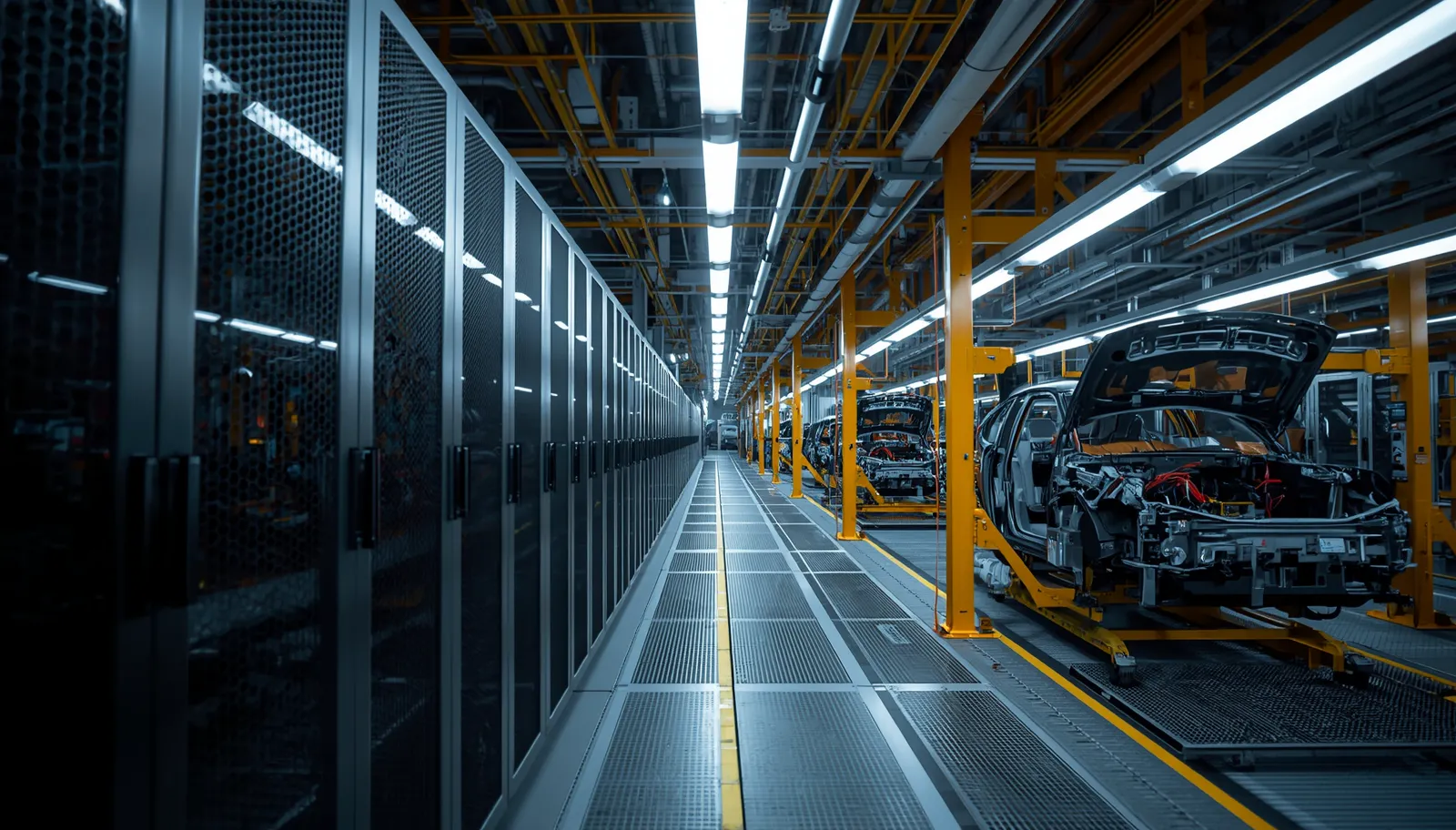
The largest automotive groups — Volkswagen Group, BMW, Mercedes-Benz, Stellantis — require TISAX from their suppliers and partners almost without exception. This is not a matter for negotiation. A company without a TISAX assessment simply does not make it onto the list of approved suppliers, regardless of how good its technical or pricing offer is.
For smaller companies in the services sector — engineering, IT, logistics, marketing — TISAX opens up a customer segment that was previously out of reach. Not because the offer was too weak. But because there was no document to settle the discussion on information security before it even properly began.
Companies that understand this do not wait for the client to ask for TISAX. They enter discussions with OEMs and Tier 1 suppliers with a ready-made assessment result. This changes their negotiating position — and shortens the path to a contract.
The automotive market is demanding not only in technical terms. Companies operating in this sector are assessed holistically — in terms of processes, risk management and operational stability. TISAX fits into this picture as proof that the organisation is run in a well-thought-out and controlled manner.
This is particularly important in discussions with foreign partners, where the company’s brand is unknown and trust must be built from scratch. Certification speaks louder than a sales brochure — it shows that the company has undergone independent verification and is not afraid of an external review of its processes.
Growth in the automotive sector is rarely accidental. It is most often the result of a combination of a good product or service and operational readiness, which allows entry into a demanding supply chain. TISAX is part of that readiness — and companies that hold it are simply in the game. Those without it often do not even realise how many contracts they have missed out on.

DJB DORADZTWO
Marcin Chorąży


