
787 974 136

Cosmetic products come into direct contact with the skin, eyes and mucous membranes. Every stage of their production – from the quality of raw materials, through manufacturing conditions, to packaging and distribution – affects the safety of the person using them. ISO 22716 is an international Good Manufacturing Practice (GMP) standard that regulates this process from start to finish – and transforms ‘good intentions’ into a documented, verifiable system. For cosmetics companies that take quality seriously, this is one of the most important steps they can take.
Implementing ISO 22716 involves establishing a management system that covers every stage of a cosmetic product’s lifecycle. The standard covers:
The key word is ‘consistency’. Consumers expect every cosmetic product in the same range to be identical in terms of quality and safety. A company without documented procedures cannot guarantee this – a company with ISO 22716 certification can.
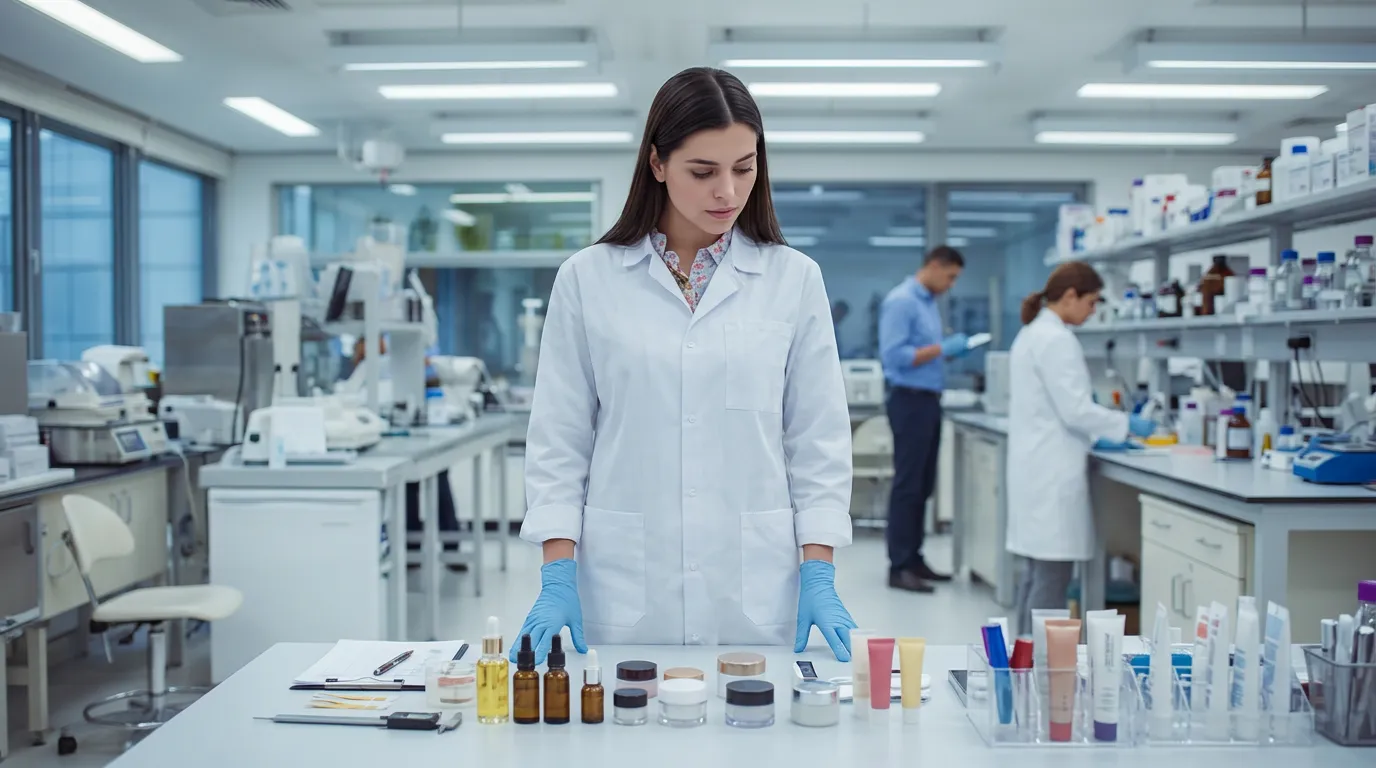
An implemented GMP system minimises the risk of errors, which in the cosmetics industry can stem from a wide variety of sources – from microbiological contamination and labelling mistakes to uncontrolled changes in batch composition. In practice, this means:
Companies with ISO 22716 in place respond to incidents more quickly and effectively – because they have documented procedures, rather than operating in a reactive, fire-fighting mode.
ISO 22716 is very often seen solely as a quality requirement. However, its impact on business is much broader:
Fewer complaints and returns. A well-organised quality system reduces the number of production errors, which directly cuts the costs of complaints, recalls and material losses.
Production stability and predictability. Standardisation makes it easier to plan production capacity, raw material orders and delivery times. Fewer surprises, less downtime.
A stronger negotiating position with business partners. Retail chains, international distributors and private label brands are increasingly requiring GMP certification. The absence of such a system can effectively block entry into new markets.
Protection against legal and reputational risks. In the cosmetics industry, a quality incident can quickly turn into a media crisis. Documented operating procedures protect the company – and demonstrate to regulatory bodies that a focus on quality is part of day-to-day operations, not merely a response to a crisis.
Today’s consumer no longer buys just a product. They buy trust in the brand. Companies that can say “our production is certified to the GMP standard” have a real tool for communicating quality – not only in B2B relations, but also in their communication with the end consumer.
For brands that are growing or entering foreign markets, ISO 22716 is one of the first documents that potential partners ask to see. Having it is not just about meeting a requirement – it is about demonstrating that the company is playing in the same league as mature, professional brands.

DJB DORADZTWO
Marcin Chorąży


