
787 974 136
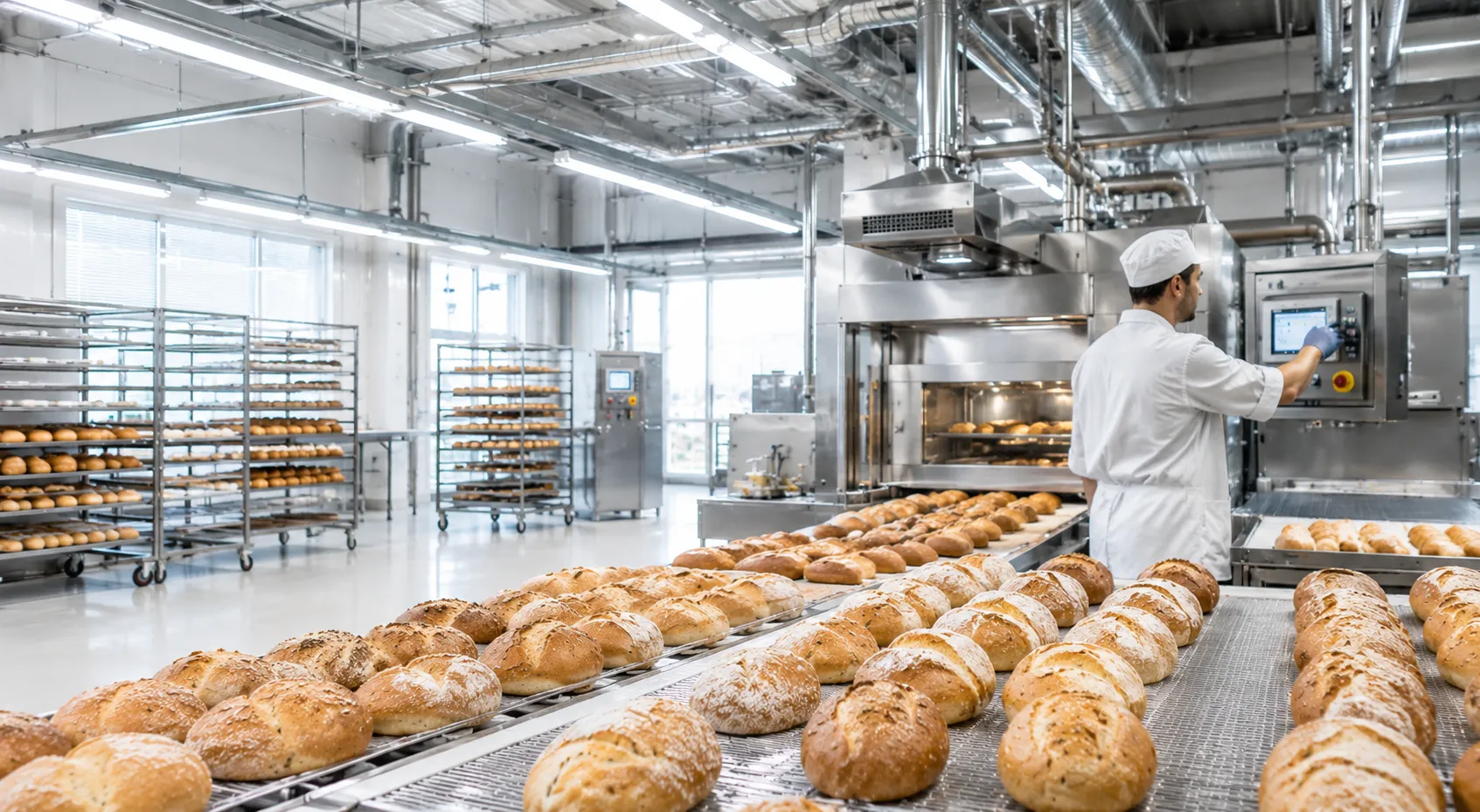
The food industry has one of the highest shares of energy costs in its production cost structure. It also has specific characteristics that make energy management both more difficult and more cost-effective here than in almost any other industry.
In most production plants, energy is a matter of working hours. The line stops – consumption drops. The shift ends – the machines stop.
This is not the case in food production.
Cold stores and freezers operate 24 hours a day, 365 days a year – regardless of whether production is underway or the plant is enjoying a long weekend. Baking ovens heat up several hours before the first shift. Pasteurisers, blast freezers, CIP (cleaning-in-place) systems – each has its own energy cycle that does not align with the production schedule.
This means that “switch off when not in use” – a simple rule that works in many industries – only works partially here. And that is precisely why energy management in the food industry requires a systemic approach, not a piecemeal one.
Before a company implements ISO 50001, it usually carries out an energy audit. In the food industry, this audit almost always reveals the same categories of energy loss – albeit in varying proportions depending on the plant’s specific operations.
Refrigeration and freezing. In processing plants, refrigeration systems account for an average of 30–50% of total electricity consumption. The main sources of inefficiency are system leaks, set temperatures that are too low (historically set with a safety margin that no one verifies), evaporators defrosted too infrequently, and a lack of zoning – cooling the entire warehouse to the same temperature regardless of its current occupancy.
Thermal processes. Ovens, steam generators, blanchers, pasteurisers – in all these cases, the key problem is heat loss during start-up, operating with excess power, and the lack of heat recovery from processes that release heat into the environment. Process steam is a particular issue: leaks in steam lines in large plants can account for several per cent of the total bill.
Compressed air. A common problem across all industries – but one with additional considerations in the food sector. Hygiene requirements mean that compressed air must meet purity standards (ISO 8573), which necessitates filtration and drying. Every stage of additional compression and filtration consumes energy. Leaks in the system – which in the food industry can be harder to locate due to the complex infrastructure – are another regular focus of inspection.
Lighting and HVAC. Production halls, warehouses, staff facilities – there is usually still scope here for simple optimisation through upgrading to LED lighting and better management of ventilation and air conditioning.
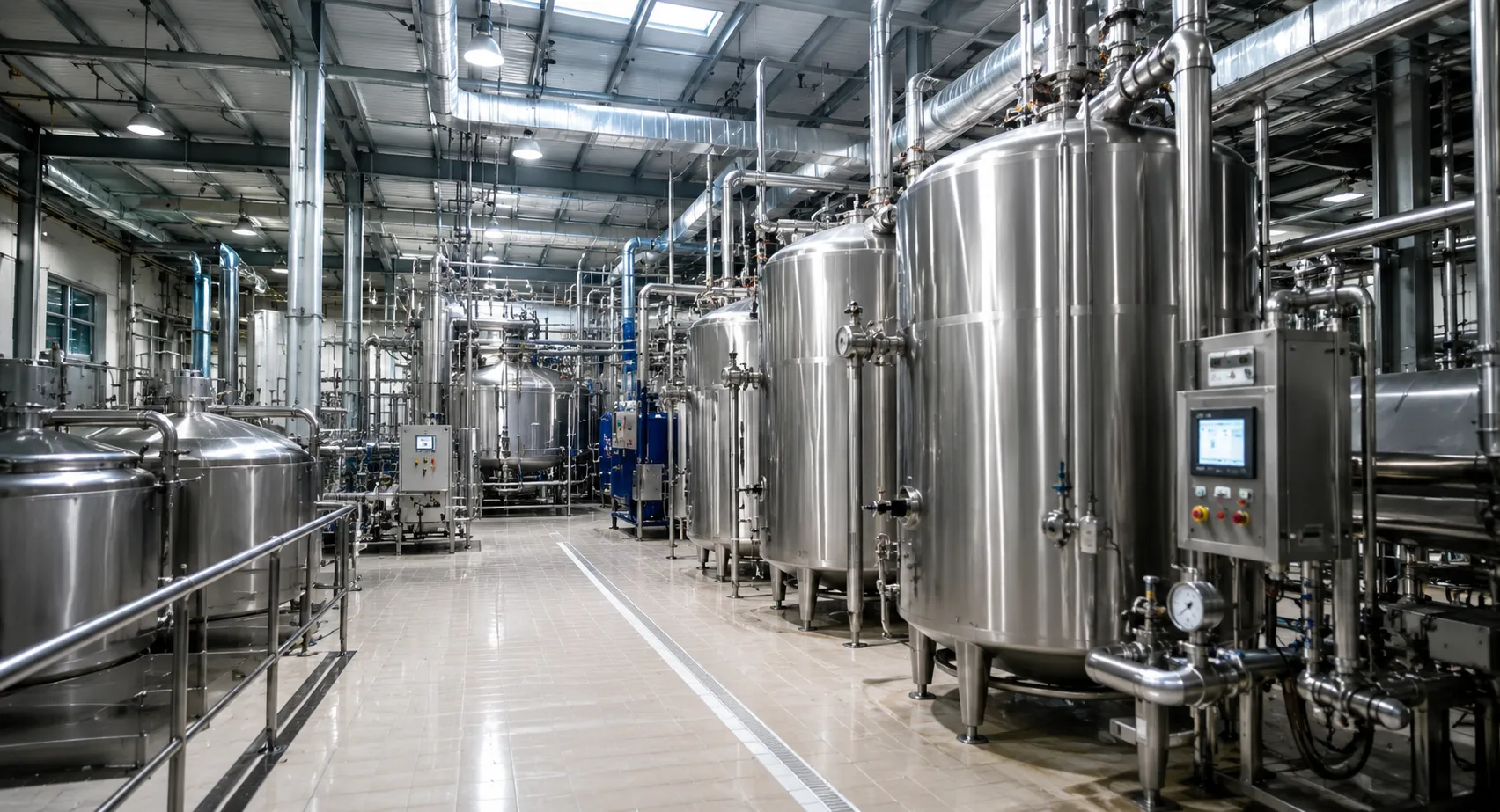
Identifying significant energy use areas (SEUs) in terms of the process, not just the equipment. This is crucial in the food industry. A cold store is one SEU, but within it, we can distinguish: cooling of the raw materials store, cooling of the production line, and cooling of the finished product. Each has a different consumption profile, a different scope for optimisation, and different implications for food safety. The system requires these to be distinguished – and managed separately.
The link between energy efficiency and food safety. This is a specific feature that other industries do not have. A food plant cannot simply raise the temperature in the cold store by two degrees to save energy – it must do so in accordance with HACCP and hazard analysis. ISO 50001 does not replace these requirements, but it ensures that energy decisions are made consciously and with full documentation. It often turns out that there is scope for optimisation – but this must first be identified and verified in terms of product safety.
Energy management within the production schedule. ISO 50001 requires an analysis of EnPI indicators in relation to production volume – e.g. kWh per tonne of processed raw material. In the food industry, this is a tool for detecting real inefficiencies: an increase in energy consumption alongside a fall in volume signals a problem (e.g. increased losses, downtime whilst heating infrastructure is running), which without this indicator could go unnoticed for years.
Regular reviews and corrective actions. Seasonality is inherent in the food industry – a summer peak in ice cream production, a winter peak in cold meats and preserves, and the sugar harvest. ISO 50001 requires that the energy audit takes these cycles into account and that indicators are comparable across seasons. This requires a little more work when defining the baseline – but it also provides a much better insight into the actual efficiency of each season.
A medium-sized dairy processing plant (processing several dozen tonnes of raw milk per day) carried out an energy audit as a preliminary step towards implementing ISO 50001. Key findings:
The refrigeration system was operating at too low a temperature setting in the storage chambers – historically set by the previous technical manager as a safety margin. Following consultation with the quality department and the process engineer, it was found that the temperature could be raised by 1.5°C without any risk to the product. Result: a reduction in energy consumption by the refrigeration system of approximately 8% per year.
CIP cleaning was carried out according to a fixed schedule, regardless of actual demand – steam and hot water were consumed even when a technologically shorter cycle would have been sufficient. Optimising the CIP schedule resulted in savings of over ten per cent on steam consumption.
None of these changes required any investment. They simply required a look at the data.
Food businesses usually already have quality and food safety management systems in place – ISO 22000, FSSC 22000, BRC, IFS. This is good news from the perspective of ISO 50001.
All these standards are based on similar principles: hazard/aspect identification, risk assessment, objectives, monitoring, corrective actions, and management review. A company that operates efficiently within an environment of multiple management systems already has an organisational culture and structures that ISO 50001 can successfully utilise.
Management reviews, internal audits, documentation – all of these can be integrated. As a result, implementing ISO 50001 in a food production facility with existing systems is usually faster and less costly than in a company starting from scratch.
The food industry is one of the sectors where ISO 50001 delivers some of the highest returns on implementation – precisely because energy is ubiquitous here, costly and often managed inefficiently due to historical habits, seasonality and specific process requirements.
An energy management system does not conflict with food safety requirements – on the contrary, it enforces a more conscious approach to process parameters. And the data it generates is invaluable both for cost optimisation and for ESG reporting, which is increasingly becoming a requirement for retail chains and large customers.
If you would like to find out more about the ISO 50001 implementation process and the benefits it can bring to your organisation, please take a look at our implementation services or contact our experts.



DJB DORADZTWO
Marcin Chorąży


