
787 974 136
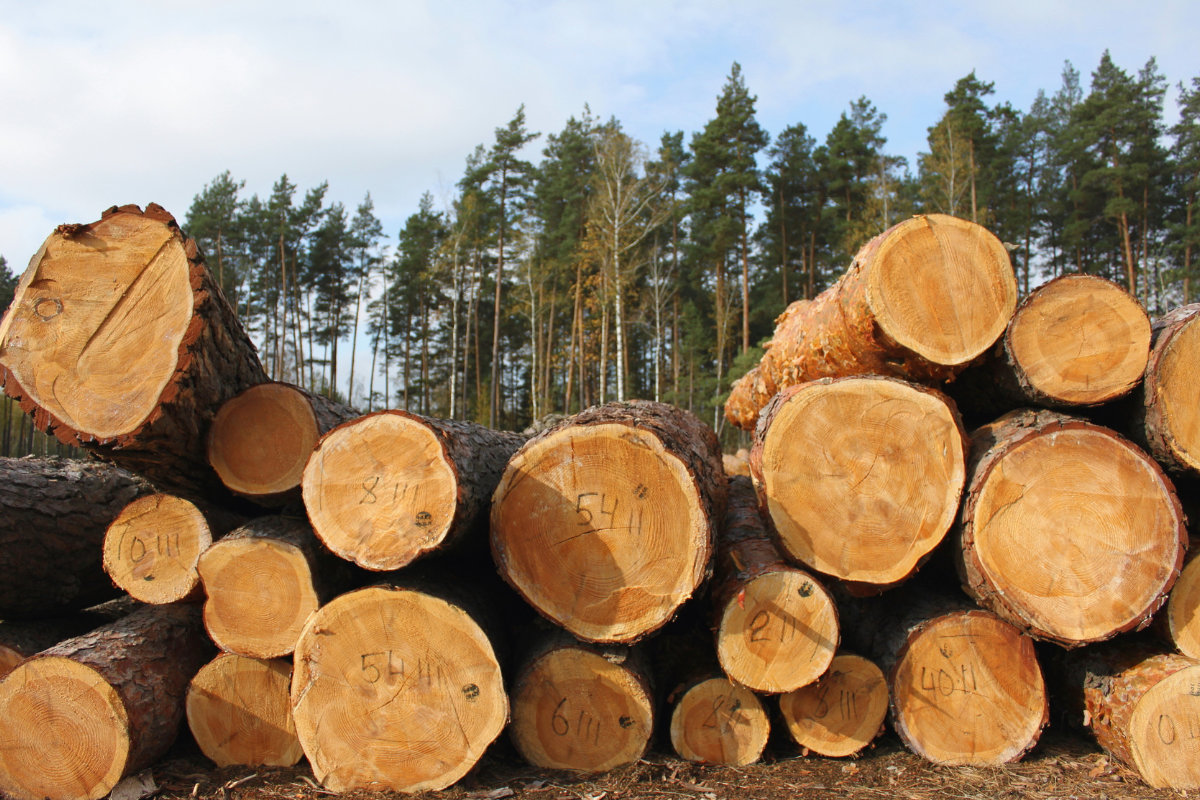
Retailers are often the final link in the supply chain. At this stage, the end product reaches the customer, and as a result, it is the retailer’s brand with which the product is most strongly associated. Retailers are not required to obtain FSC certification, as their activities do not involve a change in ownership of the goods they offer. Nevertheless, obtaining a licence to use FSC trademarks, and above all selling goods bearing such labels, is an extremely beneficial solution for them.
The FSC is an international non-profit organisation established to combat the destructive forest management practices that were taking place in almost every corner of the world. Unsustainable practices in this area lead to global deforestation, which contributes significantly to dangerous climate change.
The FSC has developed standards for the responsible management of forests and timber products. These are reflected in an international certification system covering every link in the supply chain – from forest managers and producers to wholesalers and retailers.
Businesses wishing to use the FSC trademarks must source certified products or semi-finished goods. This rule guarantees that good practices have been followed at every stage of the final product’s production. For the consumer, this means they are buying an eco-friendly product. Demand for such goods is growing!
Today’s consumers are increasingly aware of the context in which they make their purchasing decisions, and as a result, their interest in the composition and origin of products is growing. They want to make responsible choices that take environmental, social and health considerations into account. As it is time-consuming to analyse in detail the journey a product has taken before reaching them, customers usually rely on the information on the product label.
For the conscious consumer, the FSC trademark is a guarantee that a given item comes from a legal source, is made from eco-friendly raw materials, and takes into account the safety of those involved in the production process, and so on. For an increasing number of consumers, such characteristics of the items they purchase are just as important as an attractive price or aesthetic appeal. Such customers are often even willing to pay more for products that have been made in accordance with the values they hold dear.
The FSC label is proof of a business’s environmental and social responsibility, which nowadays serves as a mark of a brand’s credibility. By selling products bearing the FSC label, retailers are able to respond effectively to the needs of today’s consumers, thereby gaining their trust. With fierce competition in the market, a credible brand has a better chance of establishing its image and outperforming companies that offer a similar range but without FSC certification.
A company trading in FSC-certified products strengthens its competitive position not only on the domestic market. Although adherence to the FSC standard is not mandatory, in practice it acts as a passport to operating on the international market. Most global companies with any connection to the timber or paper industry hold FSC certificates and, consequently – to maintain the continuity of the supply chain – are obliged to collaborate with other certified entities and to purchase certified products.
Although trading companies are not required to hold FSC certification, their participation in the standard (selling products bearing the FSC label, promoting such products and the FSC system in general) is a strong asset from the perspective of potential contractors or tender organisers. The FSC label also serves as a form of guarantee for a company’s shareholders. There is no risk that the company will lose value overnight due to failure to meet environmental requirements.
Another direct benefit of participating in the FSC standard is compliance with legal requirements governing business operations. These requirements are constantly evolving to curb the trade in illegally harvested timber and to strengthen environmental protection measures. Regardless of all the benefits mentioned above, a modern trading company should strive to ensure that its operations do not contribute to environmental degradation and global warming. Selling products bearing the FSC label is simply the right thing to do.


DJB DORADZTWO
Marcin Chorąży


