
787 974 136
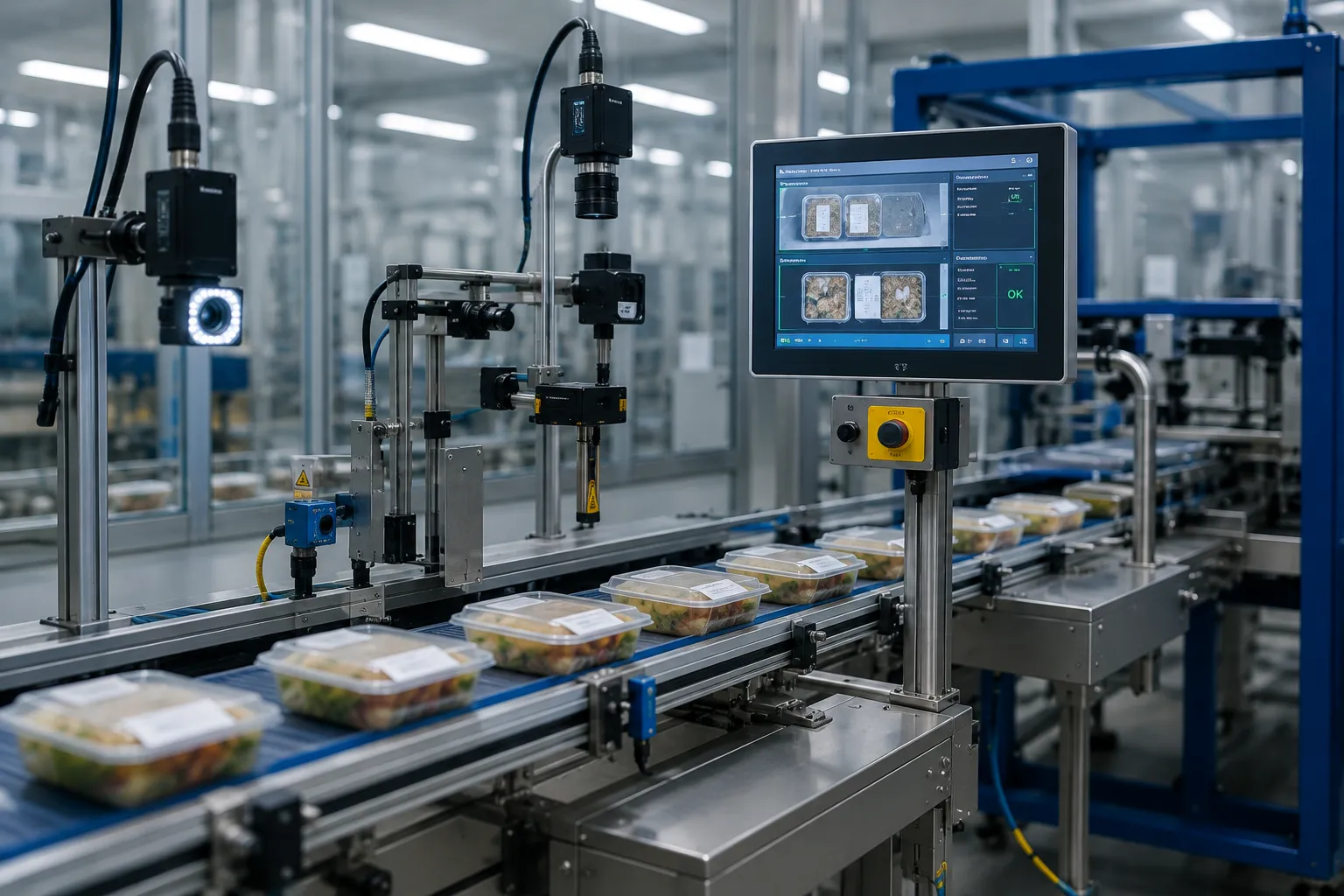
Just a dozen or so years ago, a food manufacturer’s brand was built mainly on taste, price and product recognition. Today, that is not enough. Consumers, retail chains and business partners are increasingly paying attention to something that cannot be seen on the label: food safety and production management. In the food industry, trust is built up over years, but can be lost in a matter of days. A single incident related to product quality can trigger a wave of complaints, a social media crisis and problems that will haunt the company for a long time. That is why manufacturers are increasingly treating ISO 22000 certificate not only as a food safety system, but also as a key element in building a strong and credible brand.
Most consumers will never see the production hall, hygiene procedures or quality control methods at a food manufacturing facility. They judge the manufacturer based on what they can verify: reviews, brand reputation, company communications and certifications. ISO 22000 is one of the clearest indicators that a manufacturer takes a structured and systematic approach to food safety. The certificate means that the company:
For a retail customer, this may be ‘background’ information. For a retail chain, distributor or business partner, it is often one of the factors that builds a sense of security in the partnership. In practice, a food manufacturer’s brand is increasingly based not only on the product itself, but also on the predictability of processes and the company’s ability to manage risk.

In the food sector, quality issues have an exceptionally significant impact. News of contamination, product recalls or manufacturing errors spreads like wildfire, and consumers lose trust more quickly than in most other industries. That is why a strong food brand does not rely solely on attractive packaging and marketing. A company’s ability to prevent problems before they reach the customer is becoming increasingly important.
ISO 22000 helps manufacturers organise their process oversight and take a systematic, rather than reactive, approach to food safety. The company identifies potential hazards, monitors critical stages of production and establishes procedures for responding to non-conformities. This allows problems to be detected early, before they turn into a costly quality or reputational crisis. The ability to quickly trace the history of a product and the raw materials used is also of great importance. In a problem situation, it is not only the incident itself that counts, but also the speed of the manufacturer’s response. An organisation that can efficiently identify the source of the problem, limit its scale and document the actions taken is perceived as more responsible and professional.
In practice, consumers are increasingly judging a brand not only on the basis of a product’s taste or price, but also on the company’s level of safety and transparency. As a result, a food safety management system is becoming an integral part of a company’s reputation – just as important as marketing or brand recognition.
The strongest brands in the food industry build trust not through declarations, but through evidence. ISO 22000 is one of the tools that helps present such evidence in an objective manner that is understandable to the market. The certificate demonstrates that the company operates in accordance with specific standards, undergoes regular audits and has a well-organised food safety control system.
This influences how the manufacturer is perceived by trading partners, retail chains, distributors, and increasingly by consumers themselves. A company with a certified food safety system is seen as more organisationally stable, better prepared for risk management, and more predictable in its cooperation.
The way the certification is communicated is also significant. Manufacturers who consciously demonstrate that they operate in accordance with ISO 22000 strengthen their brand’s professional image. This is not merely a matter of including information on a website or in marketing materials. It is about building the image of a company that controls its processes and treats food safety as a genuine aspect of corporate responsibility.
This is precisely why an increasing number of food businesses are moving away from viewing ISO 22000 merely as a formality required to pass an audit. For many companies, the system is becoming part of their brand-building strategy – one designed to inspire confidence not only when everything is running smoothly, but also when the market begins to scrutinise the manufacturer more closely.



DJB DORADZTWO
Marcin Chorąży


