
787 974 136
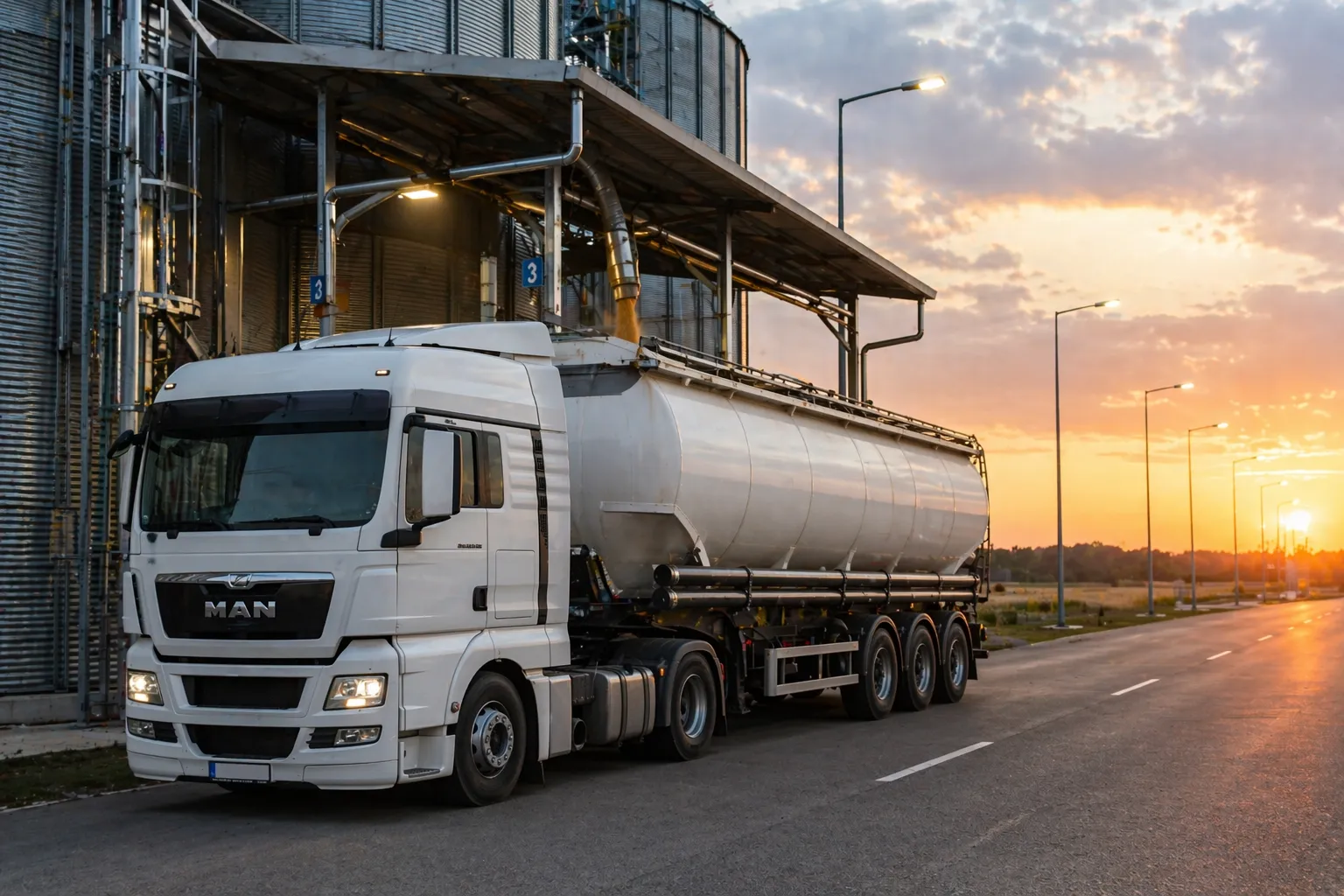
Feed transport is one of the most sensitive stages in the entire supply chain. Even if a product leaves the factory in a fully safe condition, inappropriate transport conditions can quickly lead to contamination or a deterioration in quality. In the GMP+ system, transport is therefore not an afterthought, but an integral part of safety management.
The GMP+ requirements apply not only to transport companies but also to the clients, i.e. feed manufacturers and traders. This means that responsibility is shared – the carrier must meet specific standards, but it is the company commissioning the transport that should ensure it is working with a suitable partner.
This necessitates the qualification of transport providers. The company should check whether a given operator holds a GMP+ certificate or an equivalent one, and if not – whether it meets the requirements through appropriate procedures and contracts. An often-overlooked aspect is the formal documentation of this verification.

One of the most common sources of problems is a lack of control over so-called previous loads. GMP+ clearly stipulates that means of transport must be suitable for the carriage of feed, and their history must not pose a risk of contamination. This boils down to the need to:
A statement from the carrier alone is not always sufficient. In many cases, specific records are required, for example in transport documents or cleaning log systems. The absence of this information is one of the most common non-compliances detected during audits.
GMP+ places great emphasis on traceability, which is why transport must be properly documented. It must be possible to trace every batch of feed – from the point of loading right through to the consignee. The requirements include, amongst others:
An aspect that is often overlooked is the supervision of transport whilst in progress. In the case of longer journeys or international transport, it is worth taking into account procedures for dealing with emergencies, such as damage to the load or a change in the means of transport.
Many non-compliances with GMP+ stem not from a lack of knowledge, but from a failure to pay attention to detail. The most common problems include: carriers lacking up-to-date qualifications, incomplete vehicle cleaning records, failure to verify previous loads, and overly general provisions in transport contracts. Another problem is the assumption that responsibility lies solely with the transport company. However, GMP+ auditors assess the entire system – including how the company supervises its partners.
Such shortcomings can result not only in non-compliance during an audit, but also in a real risk of product contamination and a loss of customer trust. It is therefore crucial to implement consistent procedures for supervising transport and to review them regularly. It is particularly important to systematically document activities and clearly define responsibilities on both sides of the partnership.
If your organisation is planning to obtain certification, it is worth familiarising yourself in advance with the GMP+ implementation process and the scope of activities required to meet the standard’s requirements.



DJB DORADZTWO
Marcin Chorąży


