
787 974 136
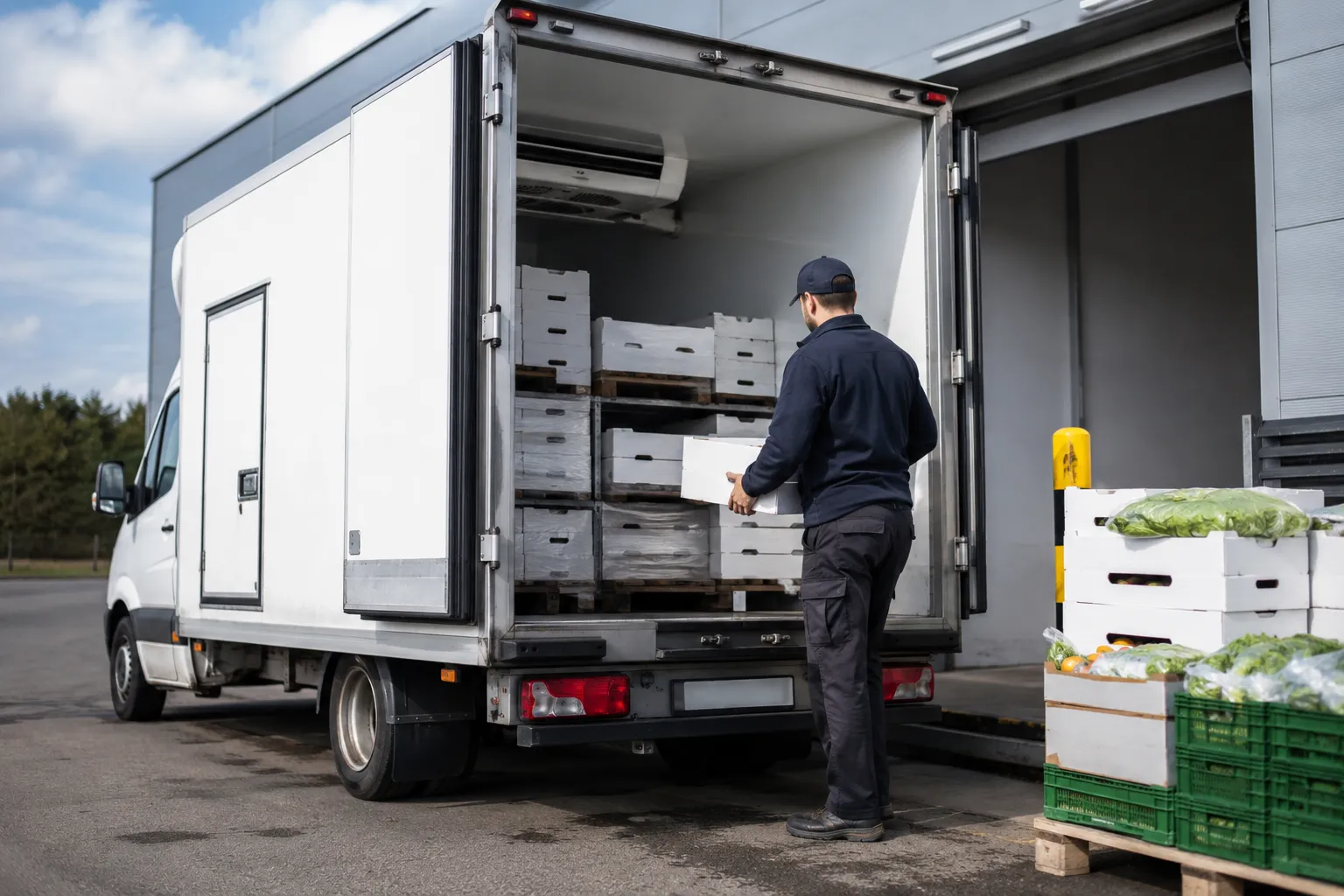
A food manufacturer may hold IFS Food certification and manage safety at its facility to the highest standards – but if the logistics company handling its deliveries does not meet the relevant requirements, product safety comes to an end at the exit gate. IFS Logistics fills this gap: it is a standard developed specifically for companies providing transport, warehousing and distribution services for food and non-food products, which streamlines quality and safety management throughout the supply chain.
The IFS Logistics standard was developed to ensure that logistics services, including warehousing, distribution, transport, loading and unloading, meet stringent quality and safety requirements. The standard was developed in collaboration with German, French and Italian retail chains, which needed a unified tool for assessing logistics service providers. Before the introduction of IFS Logistics, most companies had to undergo dozens of different audits for individual contractors – now a single certificate is recognised by hundreds of customers across Europe.
The IFS Logistics standard can be applied to the transport of products by train, lorry, ship and aircraft, as well as to warehousing facilities. Products include packaged and unpackaged food (chilled and unchilled), as well as products requiring storage under specific conditions, such as perishable food, but also non-food products such as personal care and household goods, and bulk commodities such as grain or oil.
IFS Logistics certification is often a key requirement for working with food processing companies that supply products to retail chains. It also serves as proof of a company’s reliability, demonstrating its commitment to the safety and hygiene of goods being transported or stored. According to data from IFS Management GmbH from 2022, the certification is accepted by over 400 retail chains worldwide.
The structure of the standard is based on clearly defined requirements concerning quality management, hazard analysis (HACCP for logistics companies), infrastructure, fleet maintenance and staff competence.
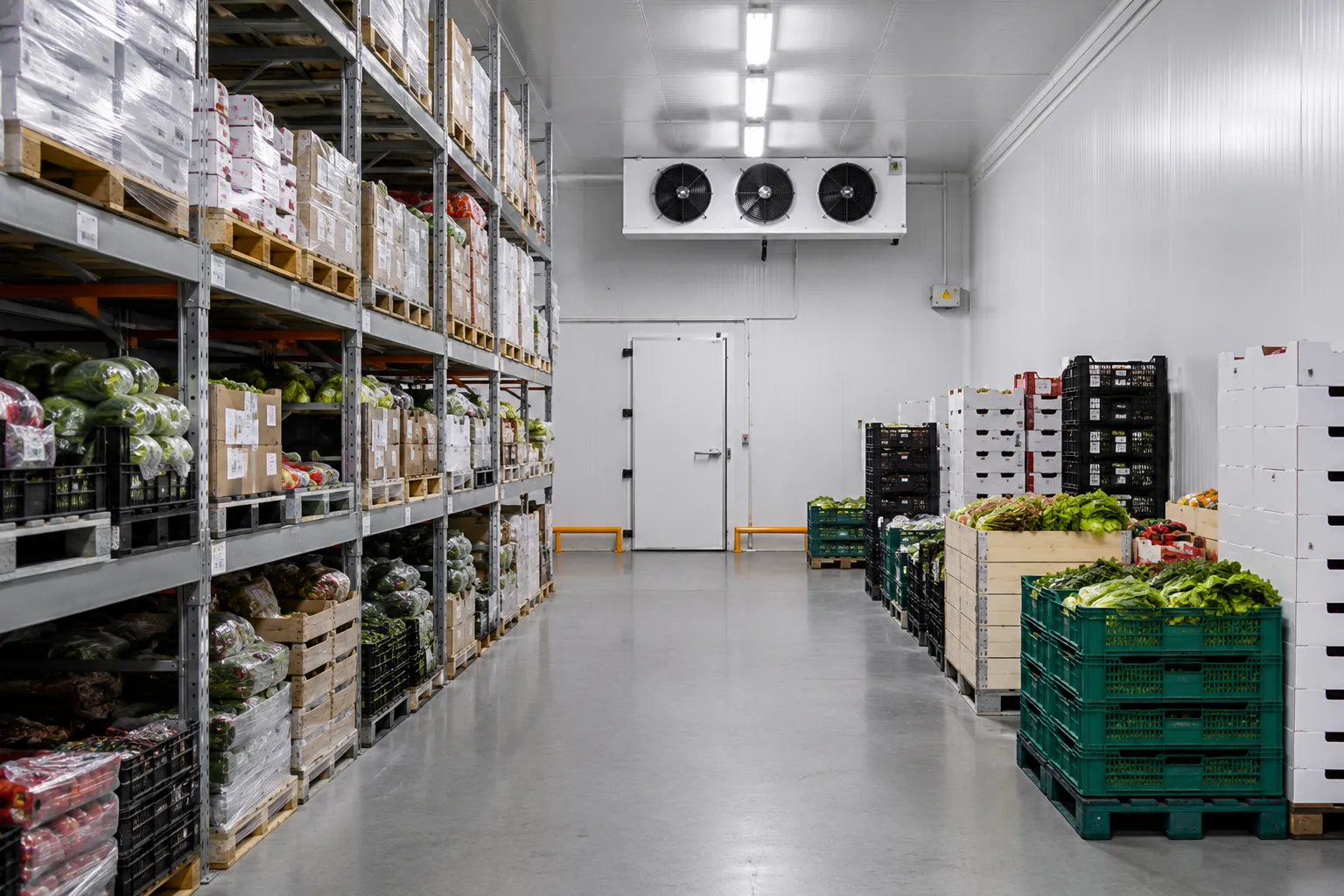
In the area of infrastructure and warehousing, key requirements include the separation of clean zones from waste storage zones, the separation of food storage areas from goods containing harmful substances, the ongoing monitoring of environmental conditions in warehouses (temperature, humidity) and the maintenance of hygienic conditions on the premises. Transport vehicles must be regularly inspected for cleanliness and technical condition, and their suitability for transporting specific categories of products must be documented.
The standard precisely specifies what data must be recorded – from vehicle temperatures to loading and unloading times. For products requiring controlled thermal conditions – chilled, frozen, or temperature-sensitive food – temperature mapping of the cargo hold and regular verification of the effectiveness of refrigeration systems are required.
IFS Logistics requires certified companies to implement a management system based on the PDCA cycle. Documentation must include a food or product safety policy, a risk analysis covering all stages of the logistics process, operational procedures, and records monitoring transport and storage conditions.
The standard distinguishes between three certification levels: Basic, Higher Level and Foundation Level. The Basic Level is the entry point for companies that are just starting to establish a quality management system. The Higher Level requires a score of at least 95% during the audit and is preferred by demanding retail chain customers. The Foundation Level is a simplified pathway for smaller companies, serving as preparation for full certification.
To maintain IFS Logistics certification, an annual recertification audit is required, ensuring that the company continues to meet the stringent quality and safety requirements set out in the standard. Audits may be announced or unannounced – in line with other IFS standards.
Important point: a company may hold certification for several scopes simultaneously, but each requires a separate assessment during the audit. This means that a logistics operator handling both food and cosmetics must demonstrate comprehensive knowledge of the requirements for both product categories. It is worth taking this into account as early as the planning stage of the certification scope.
If you are planning to implement the IFS standard, it is worth familiarising yourself in advance with the certification process and the requirements for businesses.



DJB DORADZTWO
Marcin Chorąży


