
787 974 136
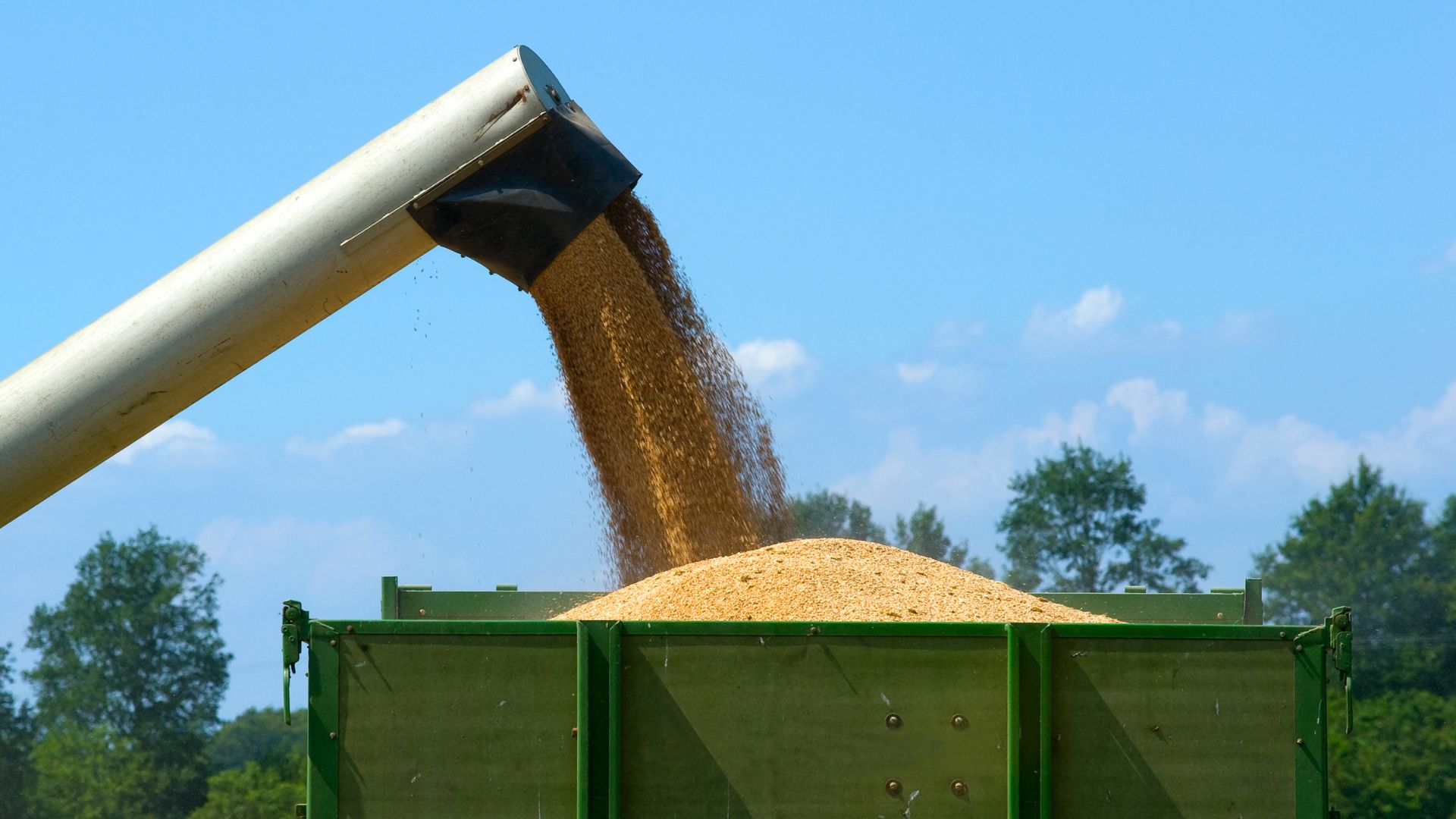
Does your company transport feed or feed materials? You are no doubt familiar with the acronym IDTF (International Database Transport for Feed), which refers to the International Feed Transport Database. It was developed by the International Committee on Road Transport (ICRT), which comprises organisations such as GMP+ International, OVOCOM, QS, Qualimat, EFISC-GTP, AIC and AMA. The IDTF serves to harmonise their safety requirements regarding bulk transport (by road and inland waterways). The database is frequently updated, and all participants in the feed material and animal feed supply chain should keep a close eye on these changes.
The International Feed Transport Database is one of the tools that enables compliance with the highest operational standards set by regulations such as GMP+. The IDTF provides insight into the requirements for maintaining means of transport in the desired condition, in order to ensure the safety of the animal feed products being transported. The quality of these raw materials has an indirect impact on food safety for humans.
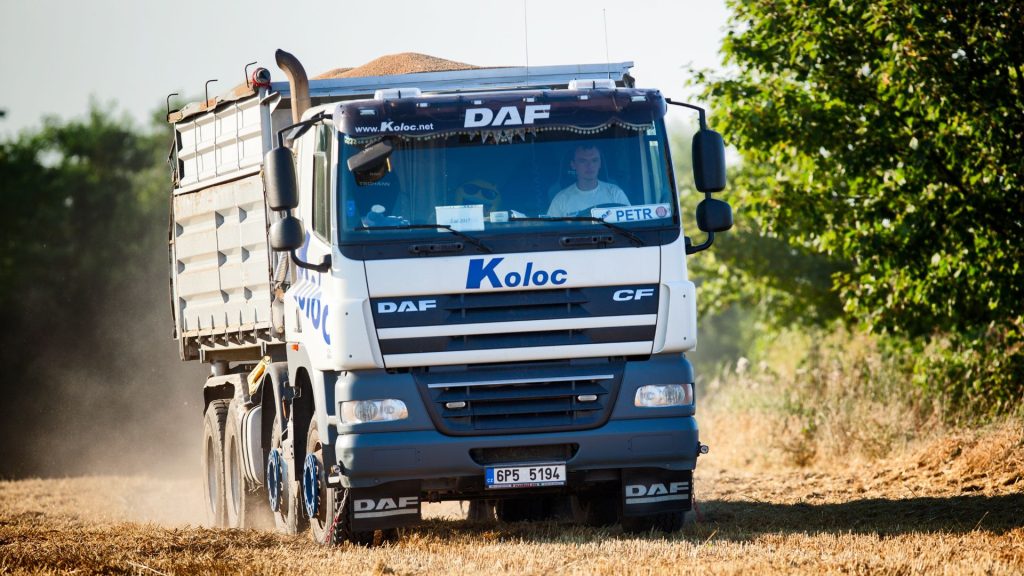
The IDTF provides a classification of bulk-transported products, along with cleaning and disinfection regimes for the cargo holds of selected means of transport following their use. As the IDTF compiles the minimum safety requirements specified in various certification schemes, it significantly facilitates operations for transport companies operating on an international scale.
The changes to the IDTF database introduced at the end of last year may prove valuable for companies interested in the safe transport of products such as:
These are products newly classified in the IDTF. Each has been assigned a specific cleaning regime – namely: dry cleaning, cleaning with water, cleaning with water and a detergent, or with additional disinfection following one of the aforementioned cleaning programmes.
Various modifications have been introduced for a number of already classified products. Some have new names. Others have been merged into a single entry or removed from the database. These changes are of particular interest to companies transporting items/substances such as:
Also worthy of note are the changes relating to the transport of plant-based raw materials for biogas production (with no visible signs of decomposition) – in this case, modifications have been introduced regarding the cleaning regime.
Some of these changes will come into force in March this year. However, some came into effect immediately upon their announcement. This makes it all the more worthwhile to keep up to date with developments in the IDTF database!



DJB DORADZTWO
Marcin Chorąży


