
787 974 136

Poland is one of Europe’s largest furniture exporters. Polish timber and timber products are sold across the EU. This is a source of pride – and also the reason why the EUDR affects the Polish timber and furniture industry in a particularly direct way. Wood and wood products are among the seven product groups covered by the regulation. And foreign importers of Polish furniture and wood products – even now, before the deadline has officially arrived – are starting to ask their suppliers for EUDR compliance documentation.
The scope of the EUDR in the timber and furniture sector is broader than one might think. The Regulation covers not only raw timber but a whole range of derived products: wooden furniture and furniture with wooden components, structural and construction timber, plywood, MDF and HDF boards, parquet and wooden flooring, paper and cardboard, as well as wooden packaging, pallets and crates.
If your company manufactures or trades in any of these products and places them on the EU market or exports them from the EU – the EUDR applies to you. The key question posed by the regulation is: does the timber used in production come from areas that were forested after 31 December 2020? If you cannot answer this question with documentation to hand – you have a problem.
Good news for companies using Polish timber: Poland has been officially recognised as a low-risk country for deforestation. This means simplified procedures for entities sourcing timber from Polish forests – no obligation to carry out a full risk assessment and no obligation to implement risk mitigation measures. But the obligation to demonstrate the origin of the raw material and traceability in the supply chain remains.
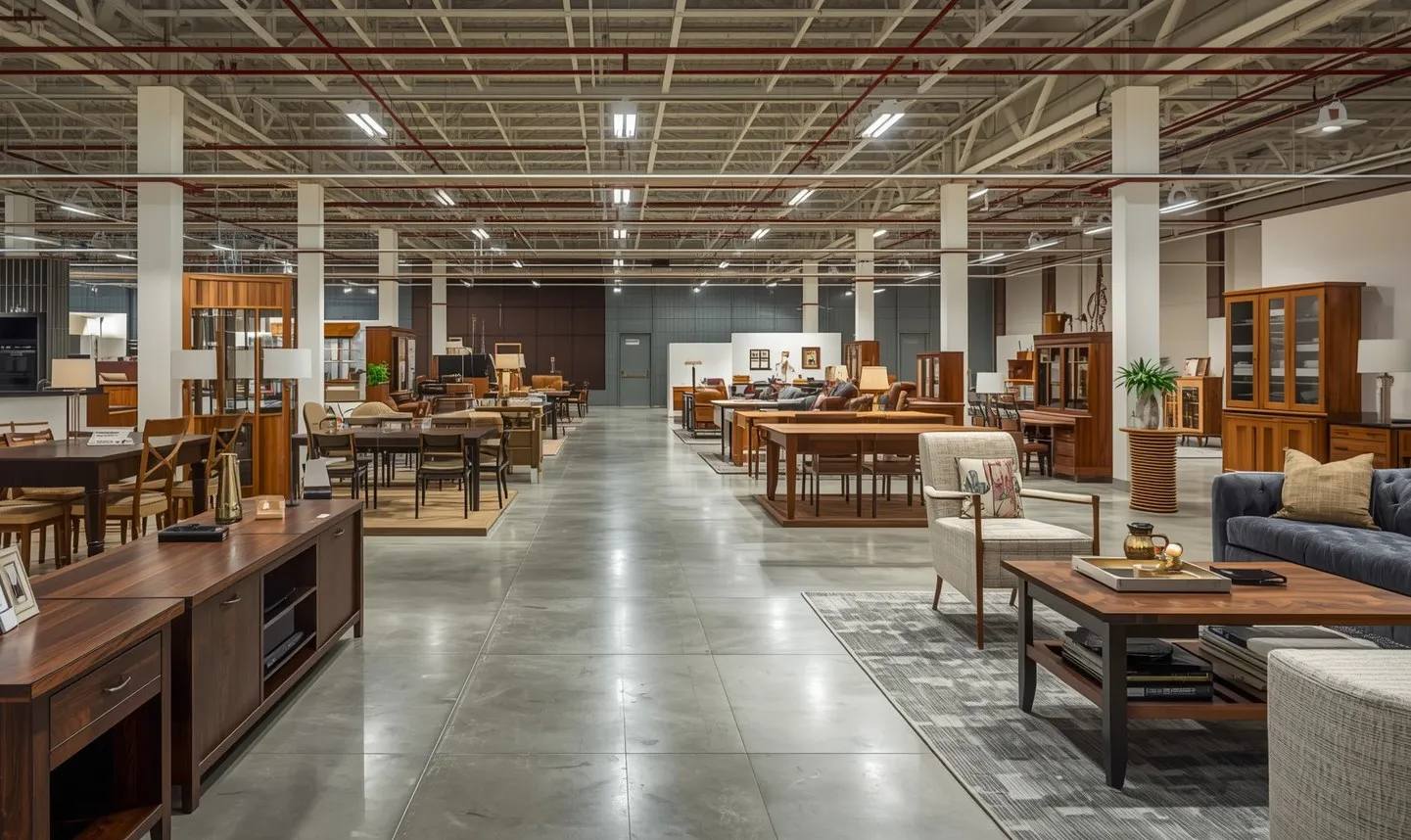
Importers of furniture and timber products in Germany, France, Scandinavia and the UK are the entities directly covered by the EUDR. It is they – as the first to place the product on the EU market – who must submit a due diligence statement and demonstrate that the imported product does not originate from deforestation. To do this, they need information from you – the Polish manufacturer or exporter.
If you are unable to provide the required data – information on the origin of the timber, the geolocation of forest plots, and certificates confirming the legality of harvesting – the customer faces a problem. They cannot submit a declaration. They cannot place the product on the market. Or they must look for a supplier who can provide this data.
This is not an abstract scenario. Companies importing Polish furniture and timber products are already sending EUDR questionnaires to Polish manufacturers. Manufacturers who respond quickly and comprehensively build trust and confidence with the customer. Manufacturers who do not respond or respond uncertainly risk losing the contract to a supplier with better-prepared documentation.
Preparing for the EUDR in the timber and furniture industry boils down to a few specific steps which – when carried out in advance – are not complicated. Carried out in a rush, under pressure from a client or a regulatory deadline, they can be chaotic and costly.
The first step is to map the supply chain – identifying all the suppliers of timber and timber-based materials used by the company, and determining where the raw material comes from. For companies using only Polish timber from certified sources (FSC, PEFC), this step is relatively straightforward. For companies using timber imported from higher-risk countries, it is more complex.
The second step is to establish a documentation system – collecting and archiving documents confirming the legality of timber sourcing and the absence of links to deforestation. This is the documentation you will need to present to customers and regulatory authorities.
The third step is to register with the TRACES system and prepare to submit or transmit due diligence statements, depending on your position in the supply chain.
Polish timber and furniture companies have an advantage stemming from Poland’s classification as a low-risk country. It is worth capitalising on this advantage – and preparing for the EUDR so that it becomes a selling point rather than a problem to be solved at the last minute.



DJB DORADZTWO
Marcin Chorąży


