
787 974 136

The plant was producing the same amount as a year ago. The same staff, the same machinery, no organisational changes. Yet the energy bill was 23% higher. This is how a story begins that we hear more often than one might think.
Piotr has been running a metalworks factory for eighteen years. He knows every machine, every employee, every process. He knows how much steel costs, how much labour costs, how much logistics costs. He’s always treated energy as a tax – you pay it because you have to, and that’s that.
But this bill was different. A 23% increase year-on-year, with virtually the same production volume. Piotr rang the technical department. “We’ve checked – everything’s working normally.” He rang the energy supplier. “The tariff hasn’t changed.” He ordered a check to see if anyone was leaving machines switched on after the night shift. He instructed security. Nothing.
Money was slipping away somewhere. But where – nobody knew.
Three months after this incident, the company decided to implement an energy management system compliant with ISO 50001. The first step was an energy audit – a detailed map of where, when and how much energy the company consumes.
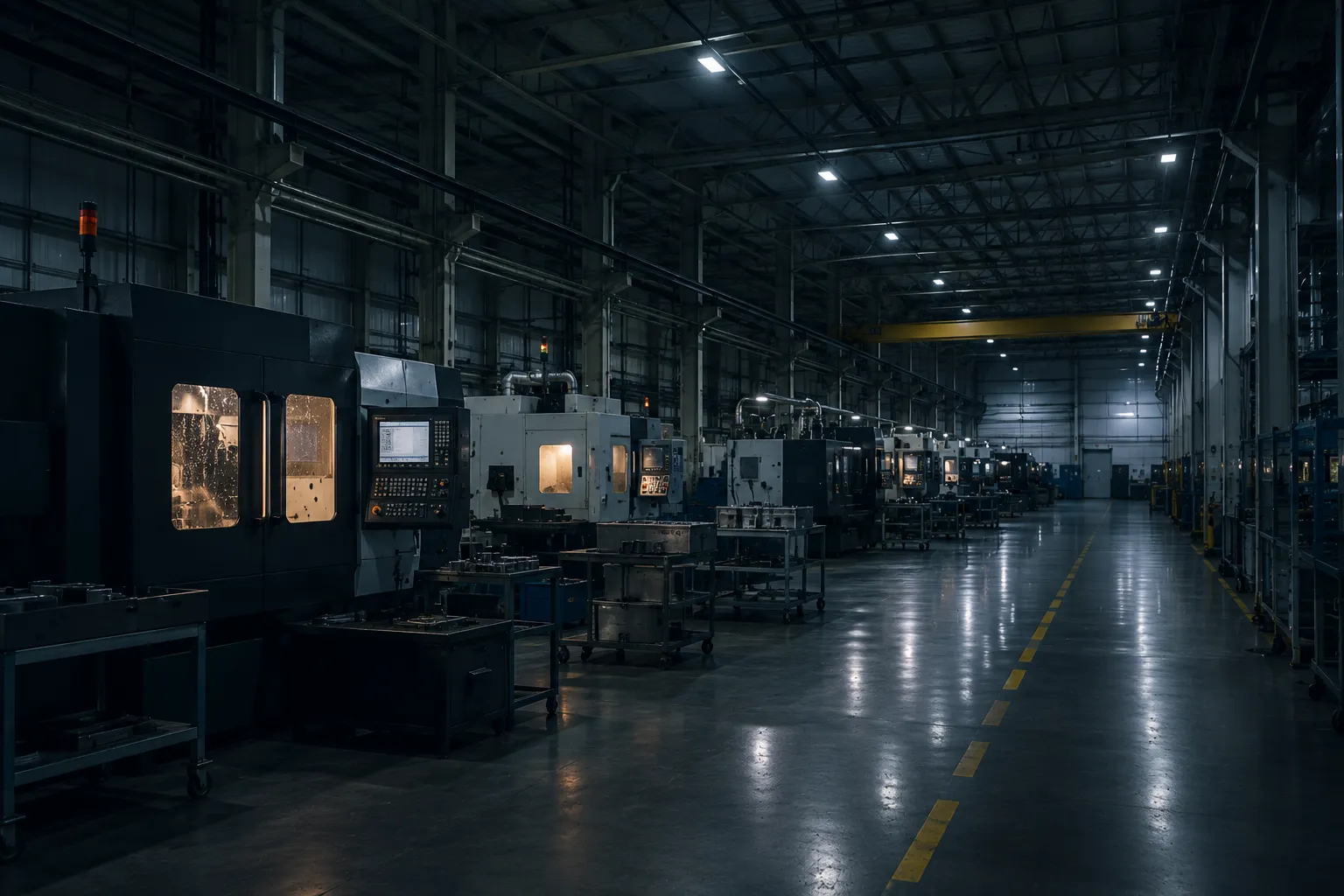
“The compressed air station – the heart of the plant, supplying all the pneumatic tools and lines – ran round the clock, seven days a week. At weekends, when production was at a standstill, the compressors idled, maintaining pressure in a network that nobody was using. Nobody had ordered this. Nobody had forbidden it. Quite simply – nobody had analysed it.
The second problem: two older presses, listed as ‘scheduled for modernisation for three years’, consumed almost as much energy in standby mode as they did when in operation. Individually – a marginal amount. Together, over 8,760 hours a year – a significant item on the bill.
Third: peak power consumption hours. The plant started up all lines simultaneously at 6:00 am. For 15 minutes, power consumption was twice as high as during the day. The supplier charged a fee for the contracted power – an inflated one, as it was calculated based on this peak. A simple change to the start-up schedule – savings without a single zloty of investment.”
ISO 50001 is not an energy audit. An audit is carried out once every few years, filed away and forgotten. ISO 50001 is a system – a living, breathing one that operates every day.
The standard requires three things, which together form a cycle of improvement:
Firstly: you know what you’re using. You identify significant areas of energy consumption – those parts of the business responsible for the largest share of the bill. At Piotr’s plant, these were compressors, furnaces and hall lighting. Together, they accounted for over 80% of total consumption. Without ISO 50001, nobody knew it was that much.
Secondly: you measure efficiency, not just consumption. ISO 50001 introduces energy performance indicators (EnPI) – e.g. kWh per tonne of product manufactured. This ensures that an increase in production does not mask inefficiency, and a drop in volume does not look like an ‘improvement’. The figures tell the truth.
Thirdly: you operate systematically. Every deviation from the norm is reviewed. Every corrective action has an owner and a deadline. Every year ends with an assessment: what have we achieved, what can be done better. Energy ceases to be a cost that is simply paid. An increasing number of companies view energy management not only as a way of reducing costs, but also as a means of building a competitive advantage.
Piotr’s plant completed its first year under ISO 50001 with a 14% reduction in energy consumption. No replacement of major equipment, no major investments. Just a change to the schedules, repairs to leaks in the compressed air system, and a single new timer in the compressed air station.
Given the scale of the plant, this amounts to tens of thousands of zlotys in savings per year. The certification paid for itself in less than a year.
But Piotr is talking about something other than money. “Now I know what’s going on. Before, I was blind.”
Most companies are aware of their energy bills. Few know their actual consumption. Even fewer know exactly where that energy is going and why.
ISO 50001 isn’t a standard for energy giants. It’s for any company where energy is a significant cost – and where no one has yet asked the question: why on earth are we paying so much?
Sometimes the answer is simple. But to find it, you first need to start looking.
If you’d like to find out what the implementation process involves and what benefits it could bring to your organisation, find out more about implementing the ISO 50001 standard.



DJB DORADZTWO
Marcin Chorąży


