
787 974 136
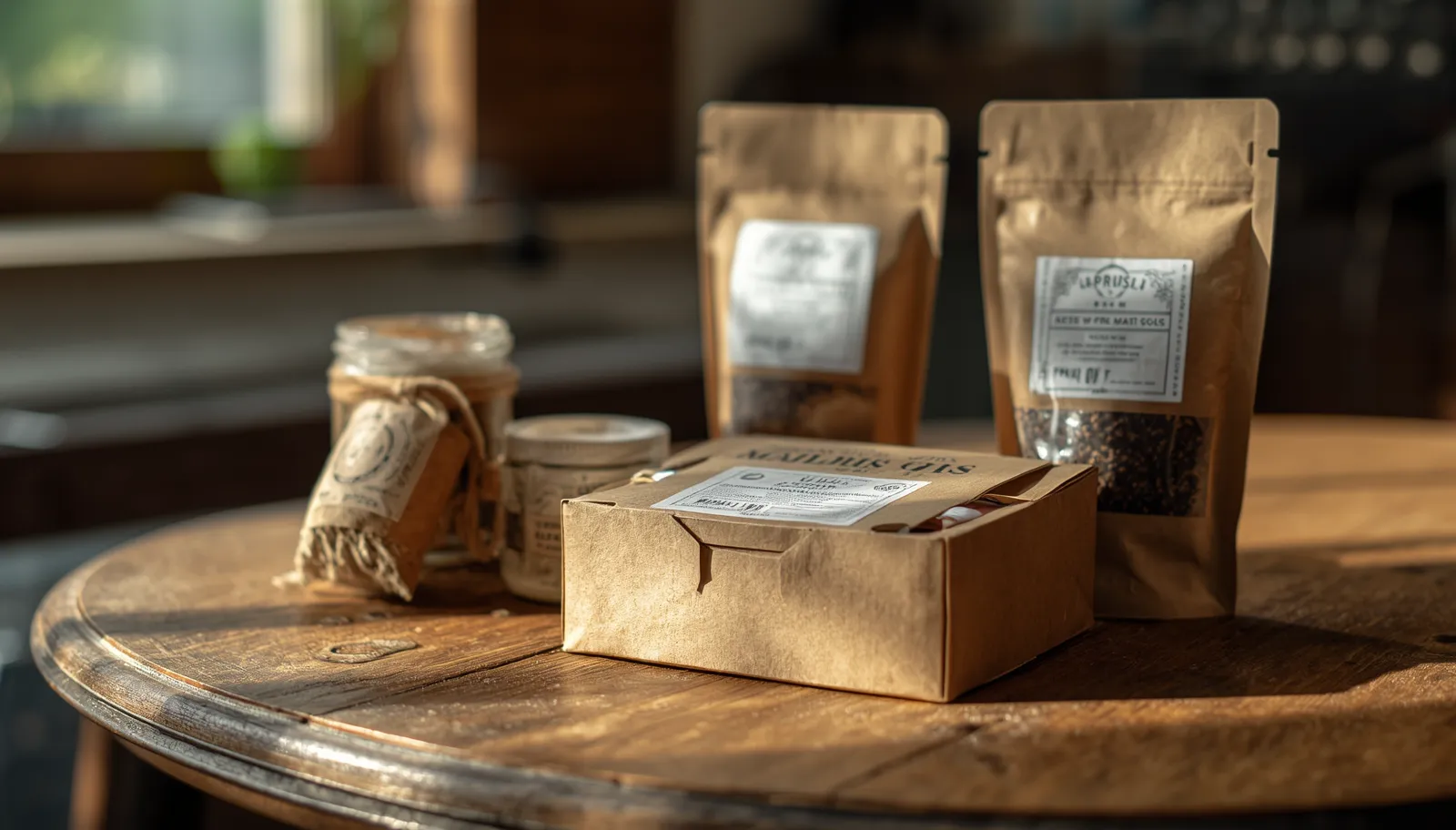
The new regulations on packaging and packaging waste introduced under the PPWR Regulation will have a particularly significant impact on the e-commerce sector. This is an industry that has grown rapidly in recent years, whilst generating significant amounts of packaging waste – particularly in the area of individual shipments.
In practice, this means a shift in approach to the design, selection and use of packaging throughout the entire logistics process. The flexibility previously enjoyed in packaging parcels will gradually be replaced by more stringent requirements regarding material and environmental efficiency. Companies will have to start viewing packaging not only as a means of protecting the product, but also as an area for optimising costs, emissions and compliance with EU regulations.
One of the most significant changes for e-commerce will be the requirement to reduce so-called ‘empty space’ in packaging. In practice, this means that boxes and fillers must be tailored to the actual size of the product, so as to minimise excess material and avoid unjustified increases in parcel volume.
Companies will have to review their packaging systems – from the selection of box sizes, through the automation of packaging processes, to the filling materials used. In many cases, this may mean having to implement new packaging standards or invest in system solutions that reduce human error and excessive material consumption.
This optimisation will have a direct impact not only on regulatory compliance but also on logistics costs, including transport and warehousing. Smaller, better-sized parcels mean lower transport costs, better utilisation of warehouse space and potentially fewer instances of damage in transit. Reducing excessive packaging, improving material efficiency and developing more sustainable solutions are among the key objectives of the EU Regulation on packaging and packaging waste.

The second key area of change will be the growing importance of return schemes and reusable packaging. E-commerce will gradually shift towards more circular models, in which packaging is not a single-use item but part of a closed loop.
In practice, this may mean the development of packaging deposit schemes, the introduction of standardised reusable boxes, or the sharing of packaging within logistics networks. For many companies, this will represent a complete overhaul of their current operating model.
At the same time, businesses must factor in the cost pressures arising from the need to introduce new materials, packaging management systems and adapt logistics processes. In the short term, this may mean increased expenditure; however, in the longer term, optimising packaging and transport can bring real savings and greater operational stability.
Changes in e-commerce will therefore not merely be a matter of complying with legal requirements, but will also serve as a catalyst for restructuring the entire operational model for shipments – from the warehouse, through logistics, right through to the way orders are fulfilled. Companies wishing to adapt their processes to the new requirements can seek support with the implementation of the PPWR.



DJB DORADZTWO
Marcin Chorąży


