
787 974 136
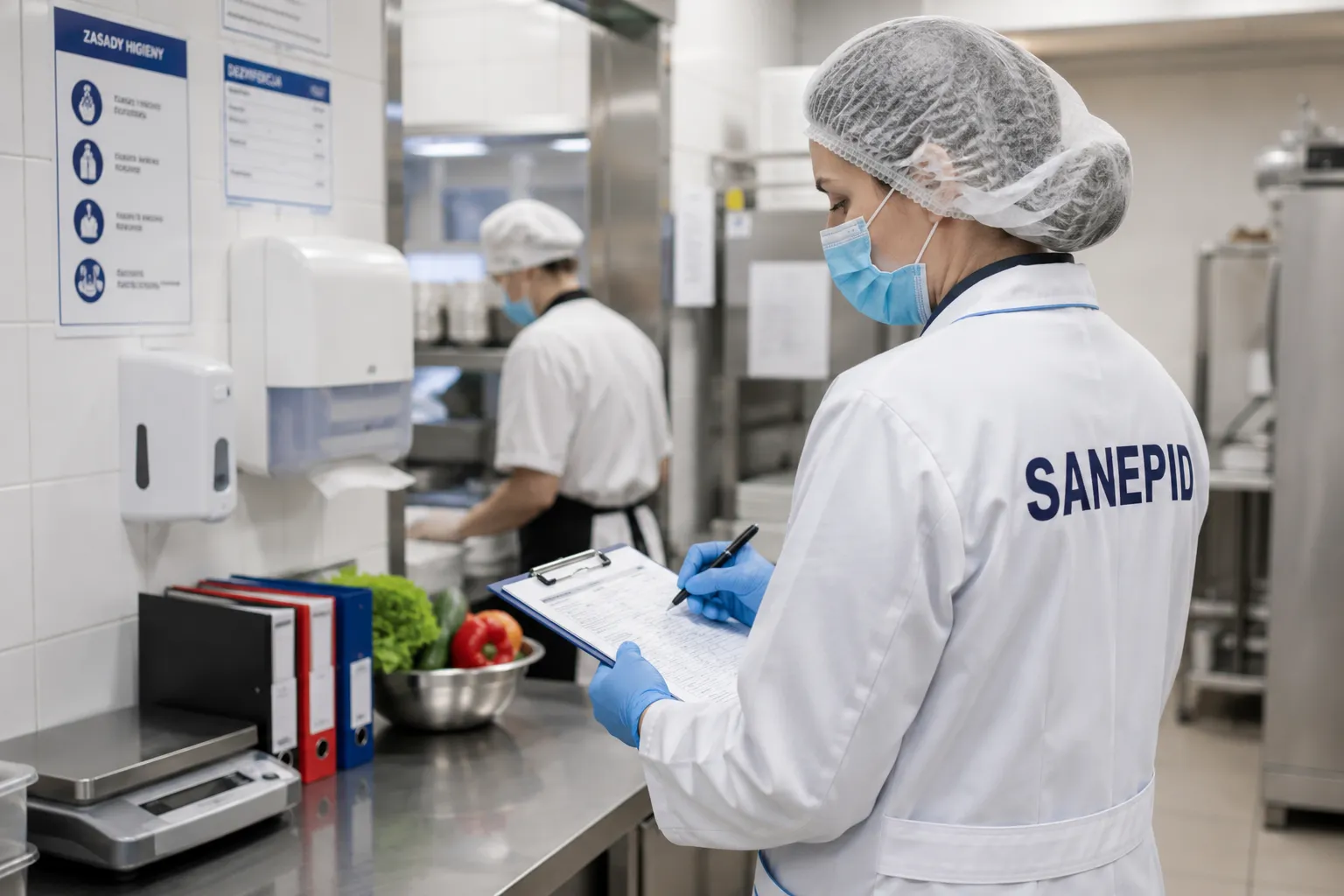
Every food producer is obliged to implement an HACCP system. However, not every food producer is subject to the same supervisory authority. Some companies are supervised by the Sanitary Inspection Authority – known as Sanepid. Others are supervised by the Veterinary Inspection Authority. And although the obligation to implement HACCP stems from the same EU regulation, the practical requirements, the way inspections are carried out and the scope of documentation expected by the authorities differ to such an extent that it is worth understanding this difference before you even begin to set up the system.
The distinction between sanitary and veterinary supervision stems directly from the nature of the food being produced or processed.
The Veterinary Inspectorate supervises establishments dealing with products of animal origin – meat and meat products, fish and fish products, milk and dairy products, eggs and egg products, honey, gelatine and collagen, and animal fats. These establishments must obtain a veterinary identification number and undergo veterinary approval before they can commence operations at all. The Veterinary Inspectorate carries out regular official inspections at these establishments – and it is its inspectors who will verify the HACCP system of a meat producer or milk processor.
The Sanitary Inspection Authority (Sanepid) supervises other food production and processing establishments – bakeries, confectioners, beverage production plants, fruit and vegetable processing plants, plants producing plant-based preserves, catering companies, restaurants and all entities dealing with food that does not include products of animal origin requiring veterinary supervision.
Why does this distinction have practical significance? Because the HACCP system must be tailored to the specific nature of the establishment and the type of food produced – and what the Veterinary Inspection Authority will check in detail at a meat processing plant (slaughter temperature, cutting conditions, meat testing, batch traceability), is a completely different set of requirements to what the Sanitary and Epidemiological Station will check in a bakery. Developing an HACCP system without knowing which authority will be verifying it and what specifically they are looking for is asking for non-compliance during the first inspection.

Both inspection bodies verify the HACCP system, but they focus on different areas – which stems from the specific nature of the establishments they supervise and the types of hazards characteristic of each food category.
During Sanepid inspections, inspectors focus primarily on:
During a Veterinary Inspection, the scope is broader and more technical:
Regardless of whether an establishment falls under the jurisdiction of the Sanitary and Epidemiological Station or the Veterinary Inspection, the basic principles of HACCP remain the same – the seven principles of the Codex Alimentarius apply in both cases. The difference lies in the details of the documentation and the level of detail required by each authority.
Establishments under veterinary supervision operate in accordance with EU hygiene regulations – primarily Regulation 853/2004, which sets out specific requirements for products of animal origin. These requirements are very detailed and specific to each product category – different for poultry meat, different for dairy products, and different for fish. The HACCP system in such an establishment must address these requirements directly – a general analysis of microbiological hazards is not sufficient.
Establishments under the supervision of the Sanitary and Epidemiological Station (Sanepid) have slightly more flexibility in how they document the system – small businesses in particular may use a simplified approach to HACCP permitted under Regulation 852/2004. This does not, however, mean that the documentation can be superficial – Sanepid is increasingly professionalising its inspections and expects a system that actually works, rather than a pile of paperwork.
For companies operating in both sectors – for example, facilities producing both meat and plant-based products – dual supervision means they must meet the requirements of both inspection bodies simultaneously. This situation calls for particularly careful design of the HACCP system and documentation.



DJB DORADZTWO
Marcin Chorąży


