
787 974 136

In the biofuels, biomass, waste and recycled materials sectors, KZR is more often seen as a necessary formal requirement than as a practical tool for building client relationships. In practice, however, the certificate becomes more than just a ‘piece of paper’ – it is an effective system that allows a company to remain competitive with major contractors, rather than merely meeting a one-off requirement.
Many large corporations, energy operators and retailers link the procurement of raw materials to sustainable trade principles. Within such structures, KZR is generally regarded as the minimum requirement for a supplier to be eligible for key contracts. A company without a structured system for tracking raw material origin, mass balance and documentation is automatically labelled ‘high risk’ – because the client must carry out additional checks themselves where no formal system exists.
For companies with a certified KZR, communication with the contractor is immediately on a different level. The client is familiar with the KZR framework; they know it is a system defined by the Oil and Gas Institute, based on mass balance, emissions attribution and audits. This reduces the number of ‘in-house’ queries, requests and spot checks, as some of the answers are already documented in standard records. Instead of one-off checks, regular, scheduled audits are carried out – which gives the impression that the company operates within a predictable, controlled framework, rather than simply ‘preparing’ for a meeting.
In the biofuels and biomass sector, the market is often subject to rapid change: new requirements emerge, emission limits are tightened, sustainability rules become stricter, and customers are even beginning to demand KZR at the order preparation stage. At such times, a company without a structured system suddenly faces a dilemma – either it ‘makes up the numbers’ in its documentation, or it loses part or all of the order.
Industry research and reviews show that over 60% of larger corporations restrict the fulfilment of, or cancel part of, orders from suppliers who do not have a defined raw material sourcing system. In this context, the KZR acts as a safeguard. Documentation of origin, mass balance, GHG emissions and audit procedures are already organised in advance and systematically verified. This means that a company is less likely to face supply blockages, transaction adjustments or the complete loss of a contract solely due to a lack of documentation – here, the KZR acts more as a safety net than a formal obligation.
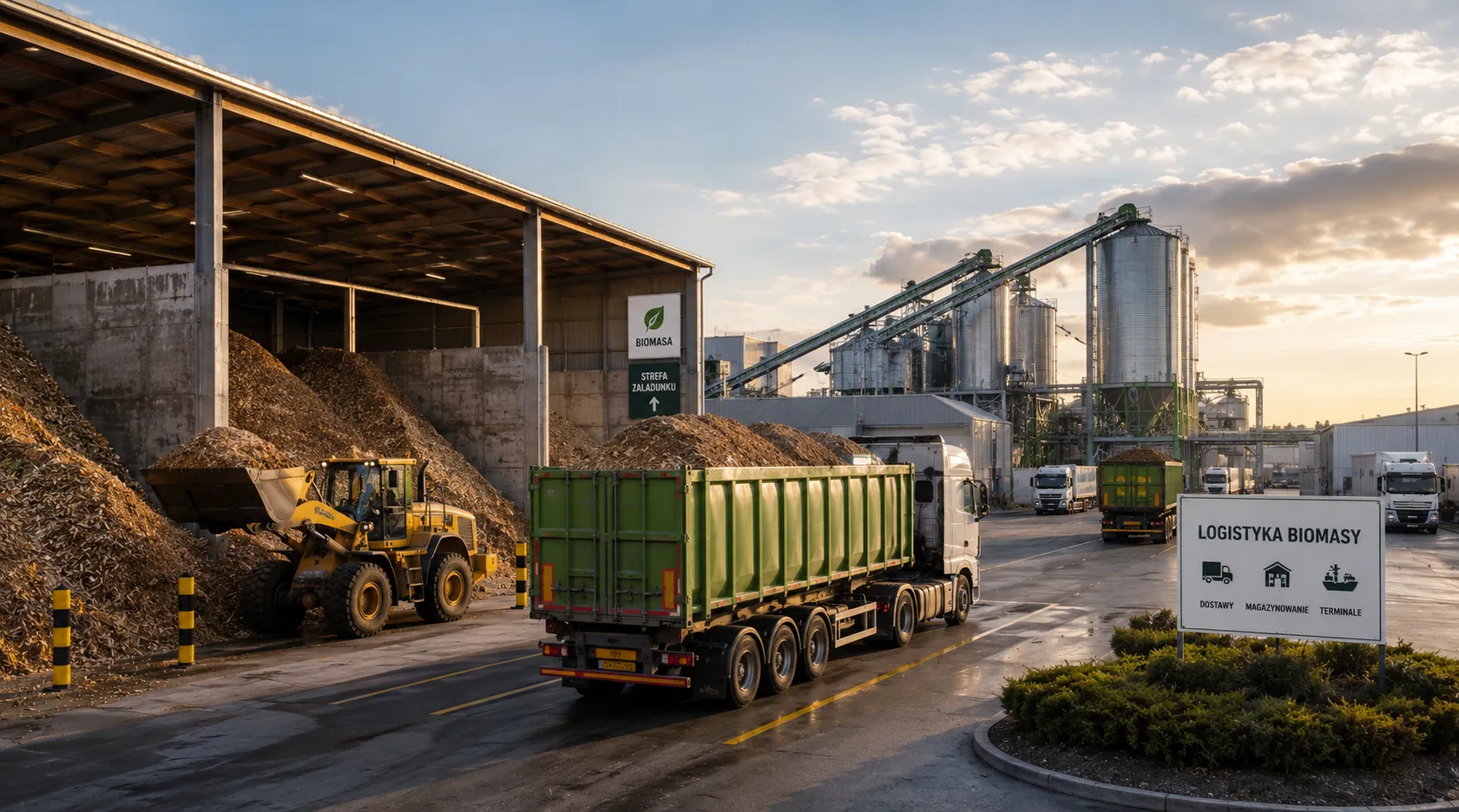
A major client is looking for partners who can operate predictably over the years, rather than simply fulfilling a single order. Analyses of the biofuels and biomass sector indicate that companies with certified systems remain on the list of preferred suppliers for 30–40% longer than those without a structured KZR system. Many contractors state that they prefer to work with partners where they know where to find documents and how to trace the raw material, rather than with those who are always ‘fudging the figures’.
The result is simple: the better organised the documentation and the more frequent the external audits, the less work the client has to put in. Lower verification costs, fewer surprises, less time wasted on corrections after the fact. This opens the door to long-term contracts, framework agreements and regular raw material flows, rather than just one-off transactions. In this context, KZR helps to build a stable partnership in which both the supplier and the client expect a long-term, predictable relationship with the company.
The value of a QMS becomes particularly apparent when a company is compared with other suppliers. Surveys among major clients show that over 70% of them consider a partner with an external, certified document management system to be more reliable than one that relies solely on its own explanations. In this context, the certificate becomes less of a pricing argument and more a symbol of security, transparency and predictability.
A customer who sees that a company operates in accordance with the KZR is more likely to accept higher prices, tighter deadlines or more demanding requirements, because they know that the documentation is organised in advance and the system is regularly audited by an external body. KZR demonstrates that the company does not merely react to short-term pressure, but plans for the long term, ensures the traceability of raw materials and develops management processes. In this way, the company evolves from a ‘commodity seller’ into a reliable supply chain partner whom the client wishes to retain, rather than simply replace at the first sign of trouble.

DJB DORADZTWO
Marcin Chorąży


