
787 974 136
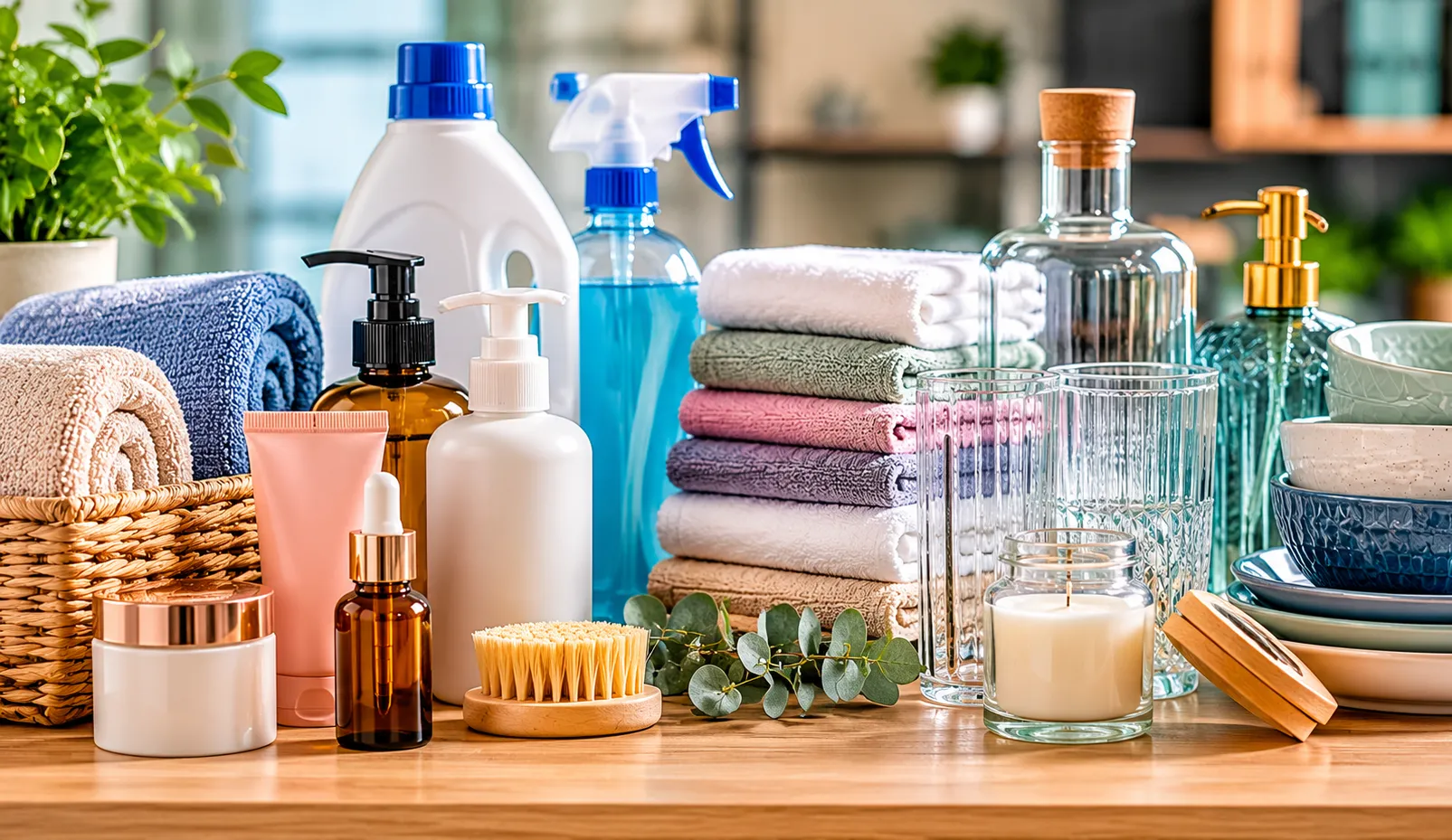
When we think of BRCGS certification, food and packaging manufacturers spring to mind. However, the BRCGS family of standards has for years included a standard dedicated to a completely different category of products – BRCGS Consumer Products (CP), aimed at manufacturers of non-food items sold directly to the end consumer. Cosmetics, household chemicals, textiles, glassware, kitchenware, small household appliances, toys – these are products that find their way into retail chains requiring a documented quality and safety management system, regardless of the fact that they are not food. If you’d like to find out more about the BRCGS standard itself, read our introductory article.
BRCGS Consumer Products is aimed at manufacturers of non-food products intended directly for the end consumer. The standard covers a very wide range of products: cosmetics and personal care products, household cleaning products, textiles and clothing, glassware and tableware, cookware, small household appliances and consumer electronics, toys, stationery, as well as products intended to come into contact with food that are not packaging (e.g. disposable cutlery).
The current version of the standard is BRCGS Consumer Products Issue 4. Unlike food standards, BRCGS CP does not have a GFSI benchmark – which means that this certificate is not mutually recognised with other GFSI standards. However, it is widely required by British, Scandinavian and Dutch retail chains as their own tool for verifying suppliers of non-food products, and the certificate is awarded to a specific production site for 12 or 6 months depending on the level achieved (A, B, C or D).
The standard may be applied by organisations producing goods under retail chains’ own brands (private label) or under their own brand supplied to the chain. It is not required for companies producing exclusively on behalf of other manufacturers without a direct relationship with a retail chain – although possession of the certificate may be required by the client as part of their own supplier qualification process.
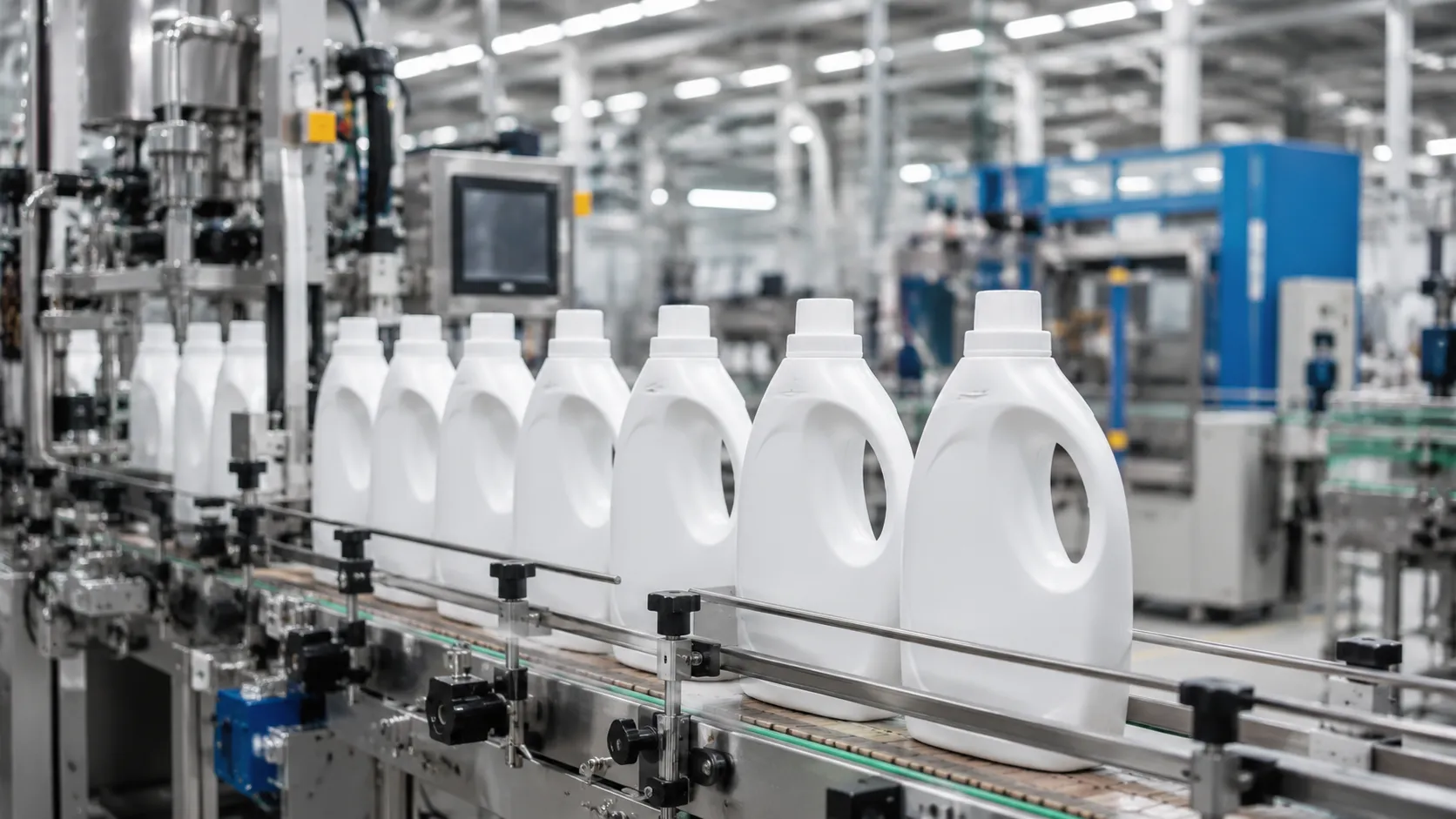
The structure of the BRCGS Consumer Products requirements is analogous to that of BRCGS Food Safety – it covers management commitment, the quality management system, resource management, operational processes and measurements. The key difference is the absence of HACCP requirements in their food-specific form – instead, the standard requires the implementation of a product safety risk assessment tailored to the category of products manufactured.
For cosmetics manufacturers, BRCGS CP is an alternative or complement to ISO 22716 (Cosmetics GMP) and IFS HPC. Each of these standards has a slightly different set of requirements and scope of recognition by retail chains:
For manufacturers supplying to retail chains in various EU countries and the UK, dual certification – BRCGS CP and IFS HPC – is often the optimal solution, eliminating the risk of exclusion from tenders due to the lack of one of the certificates. The structures of the requirements for both standards are sufficiently similar to make a joint preparation project for both certifications cost-effective. It is worth planning the implementation process and preparations for BRCGS certification in advance.

DJB DORADZTWO
Marcin Chorąży


