
787 974 136
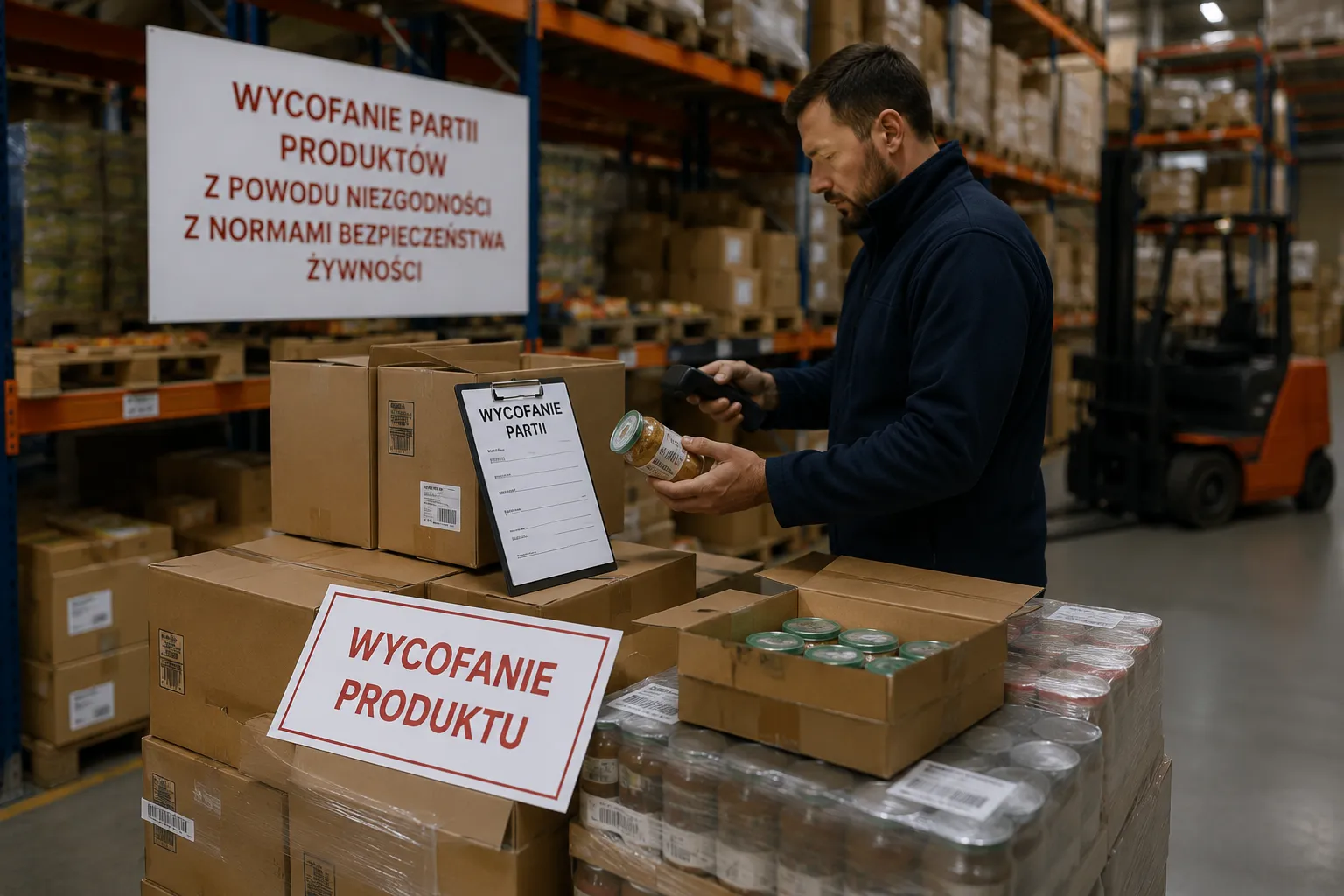
IFS Food is most often discussed in the context of opening doors – to retail chains, to new markets, to better contracts. Less often is there talk of what happens when things go wrong. And in the food industry, crisis situations – product recalls, complaints from retailers, unannounced inspections – are part of every manufacturer’s reality. It is precisely at these moments that the value of a well-implemented IFS system becomes apparent in a way that no marketing brochure can describe better than real-world experience.
A product recall is one of the most challenging situations a food manufacturer faces. The time pressure is immense — every hour of delay means the problem spreads further and costs rise. At the same time, decisions must be precise: which batches, from which plants, sold to which customers, and during what period.
A company without a structured quality management system reacts reactively in such a situation — gathering information from various sources, reconstructing the production history from memory and documents scattered across departments, and wasting time determining the scope of the problem. A company with IFS Food in place has a ready-made procedure, an up-to-date traceability map and a system that allows it to determine the exact scope of products to be recalled within hours.
IFS Food requires regular testing of recall procedures — not just having them in place. Companies that take these exercises seriously know that in a real-life incident, response time is measured in minutes, not days. And that the difference between a smooth and a chaotic response to a recall is often the difference between retaining and losing a key contract.
A complaint from a large retail chain is a situation in which the manufacturer must respond quickly and specifically. The chain does not expect an apology — it expects an analysis of the causes, proof that the problem has been identified, and a documented corrective action plan.
A company using IFS Food has the tools to provide such a response. The non-conformity management system requires every deviation to be documented — from raw materials, through the production process, to the finished product. When a complaint is received, the company can trace the history of a specific batch, identify the point at which the deviation occurred, and present an analysis based on actual data, not on guesswork.
Retail chains work with many suppliers and can clearly see the difference between a company that responds to complaints systematically and documents corrective actions, and one that reacts haphazardly or belatedly. This difference directly influences the supplier’s assessment and decisions regarding the continuation or termination of the partnership. This is precisely why large retail chains in Germany, France and the Nordic countries attach such great importance to IFS Food certification – for them, it serves as confirmation that a supplier is capable of effectively managing risks and crisis situations.
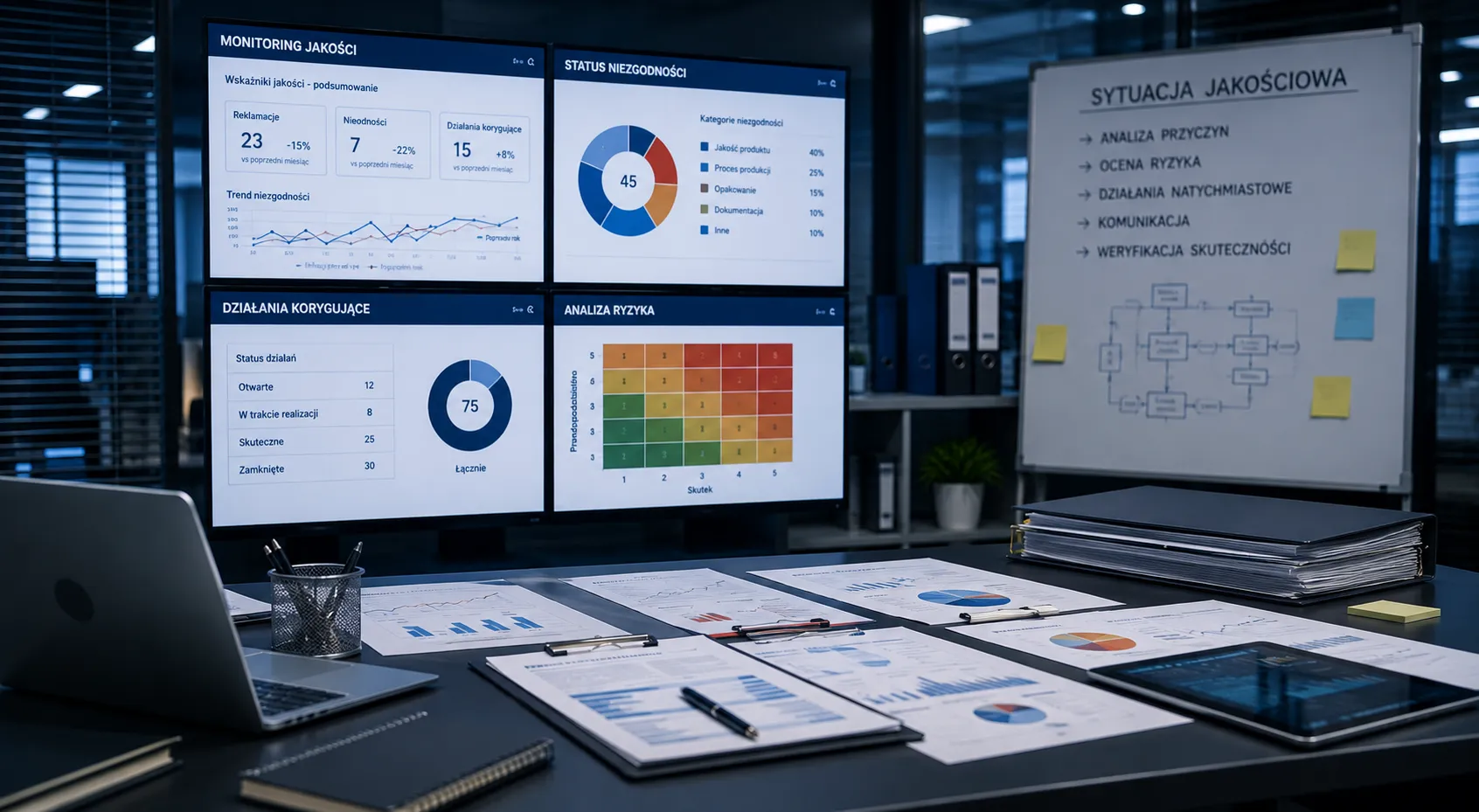
An unannounced inspection by the Health and Safety Authority or another official body is a stressful event for any business. For a company with IFS Food certification, the process is different from that of a company without a certified system.
HACCP documentation, records of critical parameter monitoring, microbiological test results, and a history of corrective actions — all of this is in place, up to date and accessible. An inspector who sees a functioning food safety management system confirmed by an independent audit conducts the inspection differently than in a facility where documentation is created on an ad hoc basis.
What is more, companies certified to IFS Food undergo regular external audits, which by definition detect non-conformities before the regulatory authority does. The system enforces continuous improvement — and ensures that official inspections rarely yield any surprising findings.
In the food industry, a reputation takes years to build and can be lost in a matter of days. A food safety incident — even if the company has responded efficiently and responsibly — is remembered by the media and consumers. But how you respond matters: a company that recalls a product quickly, communicates transparently and demonstrates that it has a system in place to prevent the problem from recurring emerges from the crisis differently to a company that reacts late and without procedures.
IFS Food does not eliminate the risk of a crisis. No system promises that. But it gives the company the tools to manage a crisis — rather than be managed by it.
In practice, it is a well-implemented IFS system that determines how a company copes in crisis situations and how it is perceived by its customers. Find out what the IFS Food certification process involves and how we can help with this.



DJB DORADZTWO
Marcin Chorąży


